
Ceram
all ceramic
all you need
I N S T R U C T I O N S F O R U S E
Table of contents
3 IPS e.max System – one system fo every indication
Ceram
PR OD UC T
IN FO RM ATI ON
4 Product Information
Material
Usage
Composition
Firing behaviour and firing process
Scientific data
9 Practical Use
Shade determination
Layering diagram
Framework design
Tips and tricks on layering
19 Processing on ZrO2Frameworks
Preparing the framework
ZirLiner firing
1stMargin firing (optional)
2ndMargin firing (optional)
Wash firing
1stDentin / incisal firing
2ndDentin / incisal firing
Finishing and preparing for the Stains and Glaze firing
Stain and Glaze firing
Add-On firing
35 Abutment Technique – Pressing on the Straumann®Anatomic IPS e.max®Abutment
Preparing the Straumann® Anatomic IPS e.max® Abutment
Adaptation of the emergence profile
Direct firing of IPS e.max Ceram
PR AC TI CA L USE
49 Gingiva Technique
Framework Design Criteria
Framework Preparation and Application of IPS e.max Ceram ZirLiner
Contouring
Sprueing, Investing
Veneering with IPS e.max Ceram
52 Veneers
54 One for 4
59 Seating and Follow-Up Care
Possibilities for Cementation
Preparing for Cementation
Care notes
—
TI ON
IN FO RM A
Ceram
62 General Information
Questions and Answers
Combination tables
Firing parameters
2

®
e.max
IPS
System –
A L L Y O U N E E D
IPS e.max – one system for every indication
IPS e.max is an innovative all-ceramic system which covers the entire all-ceramic indication range – from
Thin Veneers to 12-unit bridges.
IPS e.max delivers high-strength and highly esthetic materials for the Press and the CAD/CAM
technologies. The system consists of innovative lithium disilicate glass-ceramics used mainly for singletooth restorations and high-strength zirconium oxide for large-span bridges.
Every patient situation presents its own requirements and objectives. IPS e.max meets these requirements,
because due to the system components you obtain exactly what you need.
– The components for the Press technology include the highly esthetic IPS e.max Press lithium disilicate
glass-ceramic ingots and the IPS e.max ZirPress fluorapatite glass-ceramic ingots for the fast and
efficient press-on-zirconium oxide technique.
– Depending on the case requirements, two types of materials are available for the CAD/CAM
technique: the innovative IPS e.max CAD lithium disilicate glass-ceramic blocks and the IPS e.max
ZirCAD high-strength zirconium oxide.
– The nano-fluorapatite layering ceramic IPS e.max Ceram, which is used to characterize/veneer all
IPS e.max components – glass or oxide ceramics –, completes the IPS e.max System.
IPS e.max Ceram
The versatile layering ceramic is optimally coordinated with the materials of the IPS e.max System.
Matching the shade when using different framework materials is clearly facilitated by the universal
layering diagram and the precise shade coordination. After all, the veneering ceramic is the key to highly
esthetic results within the IPS e.max System – both on lithium disilicate (LS2) and zirconium oxide (ZrO2).
The unique combination of translucency, brightness and opalescence leads to natural light scattering and
a balanced relationship between brightness and chroma.
In addition to the traditional dentin and incisal materials in A–D, Chromascop and Bleach shades, there is
a sophisticated range of additional materials (Impulse, Essence, Stains, etc.) for individual esthetics during
internal and external characterization. With the Gingiva ceramic materials, true-to-nature gingival areas
are designed, which are particularly important for implant-retained restorations.
3
®
e.max
IPS
Ceram
Product Information
Material
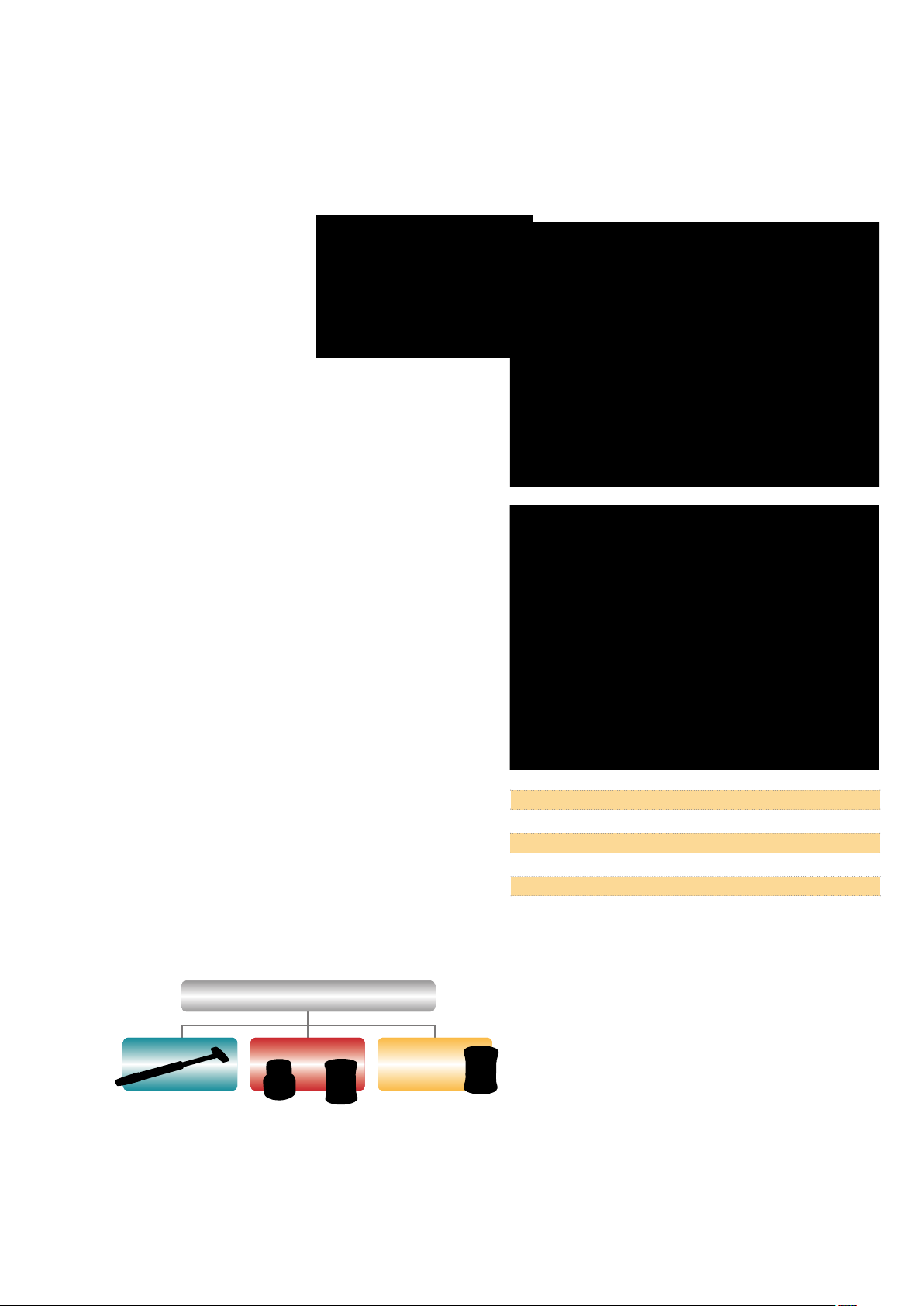
IPS e.max Ceram is a low-fusing
nano-fluorapatite glass-ceramic
which permits the veneering and
characterization of restorations
fabricated using either the press
technology and/or the CAD/CAM
technology. This glass-ceramic,
which contains nano-fluorapatite
crystals, demonstrates a crystal structure similar to that of vital
teeth. The optical properties are controlled by the nanofluorapatite crystals in the size range of 100–300 nm and microfluorapatite crystals with a length of 1–2 µm. The individual
IPS e.max Ceram materials contain different concentrations of the
apatite crystals, which then enable a unique and adjustable
combination of translucency, brightness and opalescence,
depending on the type of layering material. The IPS e.max ZirLiners
are yet another innovation of this new material concept. They
enable an exceptionally good bond with the zirconium oxide framework and demonstrate high light transmitting capability coupled
with high fluorescence. They thus make the white and not very
translucent zirconium oxide frameworks look as if they have been
shaded and permit the adjustment of the basic zirconium oxide
shade of the framework to the shade of the IPS e.max Press and
IPS e.max CAD glass-ceramics. In this way, the achieved layering
concept permits the fabrication of highly esthetic restorations that
demonstrate optimum stability of shape both on shaded/translucent
glass-ceramic frameworks and on less translucent zirconium oxide
frameworks. The uniform material composition and, consequently,
homogeneous clinical properties, irrespective of the framework
material used, underlines the comprehensive IPS e.max restorative
concept.
IPS e.max Ceram is based on the tried-and-tested shade concept of
other Ivoclar Vivadent veneering materials. In this way, a continuous
concept covering composites, metal-ceramics and all-ceramics has
been achieved. The easy application makes the time-consuming
re-familiarization with the individual veneering materials a thing of
the past.
CTE (100–400°C) [10-6/K] 9.5
Flexural resistance (biaxial) [MPa]* 90
Vickers hardness [MPa] 5400
Chemical solubility [µg/cm2]* 15
Firing temperature [°C/°F] 750/1382
*according to ISO 6872
Ivoclar Vivadent Shade Concept
®
SR
Adoro
d.SIGN®/ InLine
IPS
IPS
®
e.max
IPS
Ceram
®
4

Usage
Composition
Indications
– Characterization and veneering of IPS e.max Press restorations
– Characterization and veneering of IPS e.max ZirPress restorations
– Characterization and veneering of IPS e.max CAD restorations
– Characterization and veneering of IPS e.max ZirCAD frameworks
– Characterizing and veneering Straumann®Anatomic IPS e.max
®
Abutments
– Characterization and veneering of frameworks, implant
abutments and implant superstructures made of
– sintered zirconium oxide and/or HIP zirconium oxide, as well as
– presintered zirconium oxide
and demonstrating a CTE range of 10.5-11.0 x 10⁻⁶K
-1
[100-500 °C].
– Layered veneers on fire-resistant investment materials
– Creation of gingival portions on restorations made of IPS e.max
ZirCAD or IPS e.max ZirPress
Contraindications
– Patients with severely reduced residual dentitions
– Patients suffering from bruxism
– Any other use not listed in the indications
Important processing restrictions
If the following notes are not observed, successful work with
IPS e.max Ceram cannot be ensured:
– The necessary veneering layer thickness must be observed.
– The required layer thickness relation between the framework and
the layering ceramic must be observed.
– IPS e.max Ceram materials must not be mixed with other dental
ceramics
– Zirconium oxide frameworks with a CTE different from the one
stipulated must not be veneered.
– Veneering of zirconium oxide frameworks which were not con-
ditioned according to the stipulations for IPS e.max ZirCAD, e.g.
blasting with Al2O3.
– Metal-frameworks must not be veneered.
– Other pressed ceramics (e.g. IPS Empress®Esthetic) must not be
veneered.
– Aluminium oxide frameworks (e.g. Procera Alumina,
Vita In-Ceram 200 Al Cubes) must not be veneered.
– Slipped and CAD/CAM-fabricated Vita InCeram frameworks (e.g.
In-Ceram Classic Spinell, Alumina, Zirconia) must not be
veneered.
– Cast and CAD/CAM-fabricated titanium oxide must not be
veneered.
– IPS e.max Ceram ZirLiner and Margin materials should not be
used on IPS e.max Press and IPS e.max CAD.
– Inlays, onlays without framework (CAD / ZrO2/ Press)
IPS e.max Ceram and the processing accessories consist of the
following main components:
– IPS e.max Ceram
Components: SiO
2
Additional contents: Al2O3, ZnO2, Na2O, K2O, ZrO, CaO, P2O5,
fluoride and pigments
– IPS e.max Ceram Shades and Glaze Pastes
Components: oxides, glycerine, butandiol, poly(vinyl pyrrolidone)
– IPS e.max Ceram Glaze Spray
Components: Glazing powder, propellant, isobutane
– IPS e.max Ceram ZirLiner Build-Up Liquid (allround)
Components: Water, butandiol and chloride
– IPS e.max Ceram Margin Build-Up Liquids
(allround and carving)
Components: Water, zinc chloride and hydroxyl ethyl cellulose
– IPS e.max Ceram Build-Up Liquids (allround and soft)
Components: Water, propylene glyco, butandiol and chloride
– IPS e.max Ceram Stain and Glaze Liquids
(allround and longlife)
Components: Butandiol, pentandiol
– IPS Model Sealer
Components: Ethyl acetate, softener and nitrocellulose
– IPS Ceramic Separating Liquid
Components: Paraffin oil
– IPS Margin Sealer
Components: Wax dissolved in hexane
Warnings:
– Ethyl acetate is highly inflammable – keep it away from sources
of ignition. Do not inhale the vapours.
– Hexane is highly inflammable and detrimental to health. Avoid
contact with the skin and eyes. Do not inhale the vapours and
keep the material away from sources of ignition.
– Do not inhale ceramic dust during finishing – use suction
equipment and a face-mask.
Side effects
If a patient is known to be allergic to any of the components of
IPS e.max Ceram, the material should not be used.
5
Firing behaviour and firing process
Shade stability
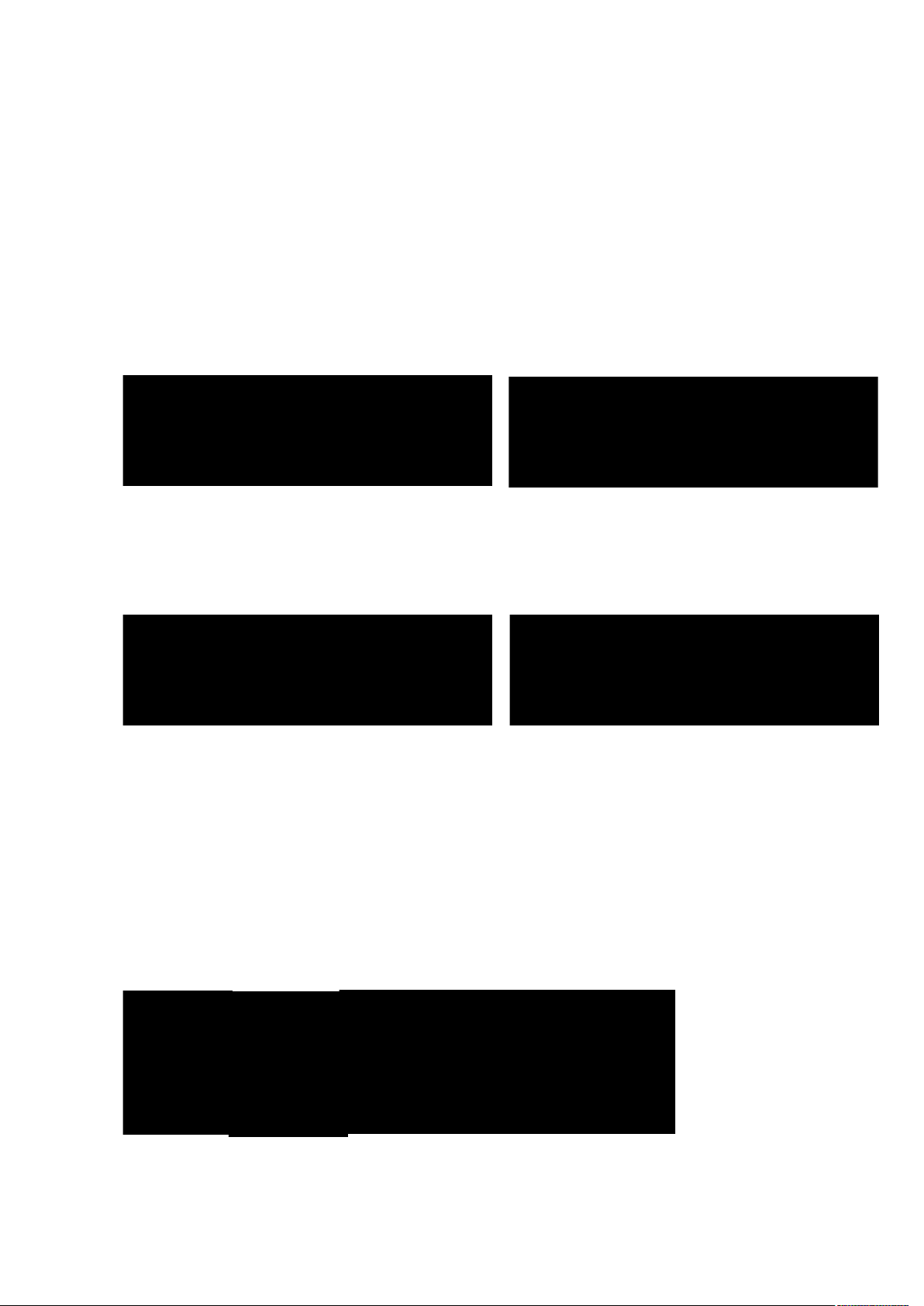
IPS e.max Ceram is a low-fusing nano-fluorapatite glass-ceramic. The new material generation contains nano-fluorapatite
crystals and demonstrates a crystal structure similar to that of vital teeth. Depending on the type of layering material, this
permits a unique and adjustable combination of translucency, brightness and opalescence which is characterized by a high
stability of shape and shade, even after several firing procedures. The following images of fired tabs show the shade
stability of IPS e.max Ceram Dentin A3 after several firing procedures. Even after ten firings, no obvious shade difference
to the original tab is visible. After three firings, the shade of the tab already corresponds with that of the fired restoration
(2 Dentin/Incisal firings and 1 Glaze firing).
1x 3x 5x 7x 10x 1x 3x 5x 7x 10x
Transmitted lightIncident light
The high shade stability is particularly important for the Opal materials (Opal Effect 1), which are predominantly used in
the incisal area, in order not to obtain a lifeless, greyish incisal third, even after several firing procedures. The following
images show an Opal Effect 1 tab after 10 firings. There are no visible differences as regards the opalescence and
brightness.
1x 3x 5x 7x 10x 1x 3x 5x 7x 10x
Transmitted lightIncident light
Burn-out behaviour
Given the low transformation point of low-fusing ceramic materials, the burn-out of the organic components in the buildup liquids occurs in a shorter time frame than that of high- and medium-fusing ceramics. If build-up liquids other than the
IPS e.max Ceram Liquids are used, therefore, there is a risk of incomplete burn-out and thus discolouration of the restoration (e.g. cloudiness, greying). The following images show fired IPS e.max Ceram clear tabs for which different build-up
liquids were used. With certain liquids, the discolouration is clearly visible. Therefore, Ivoclar Vivadent recommends using
only the liquids contained in the IPS e.max Ceram Kits. If silver dust is used to design the surface, make sure that it is
completely removed during cleaning. If this is not done, discolouration (e.g. yellowish) may occur after glaze firing.
IPS e.max Ceram
Build-Up Liquid
allround or soft
Competitive Liquid A
Grey residue
Competitive Liquid B
Grey residue
Competitive Liquid C
Cloudiness
Competitive Liquid D
Cloudiness
6

Firing of lithium disilicate-supported restorations
– Use the honey-combed firing tray and the corresponding support pins to fire the restorations.
– Do not use ceramic pins, since they may stick to the restoration.
– The processing temperatures must be observed. Increasing the firing temperature will result in severe vitrification
between the framework and the veneering ceramic, which may lead to crack formation later on. Reducing the firing
temperature results in the ceramic being underfired, rendering it very brittle, which may ultimately lead to delamination.
– The parameters listed in the Instructions for Use apply to Ivoclar Vivadent furnaces (temperature tolerance ± 10 ºC/18 °F).
– If furnaces other than those from Ivoclar Vivadent are used, temperature adjustments may be necessary.
Firing of zirconium oxide-supported restorations
In order to obtain optimum firing results for IPS e.max Ceram, the following points have to be observed:
– In order to ensure an even thickness of the veneer, the zirconium oxide framework must be designed in such a way that
it supports the cusps. Depending on the clinical situation, the results are different wall thicknesses and dimensions of
the framework.
– Since ZrO2is a poor heat conductor compared to other framework materials, a low temperature increase rate tÀ is
required. This ensures even heat distribution in the bonding area between the framework and the veneer as well as the
outer surfaces of the restoration even with different framework thicknesses. In this way, an optimum bond as well as
even sintering of the layering materials is achieved.
– During cooling of the restorations after firing, stress occurs as a result of the different cooling speeds at the outside and
within the material. With long-term cooling L for the «final firing cycle» this stress can be reduced and the risk of
delamination minimized, particularly in ZrO2-supported restorations.
Notes on cooling after completion of the firing program
In order to ensure «smooth» cooling of the restoration after firing, please observe the following notes:
– Wait for the acoustic signal or optical indication of the furnace at the end of the firing cycle before the firing tray with
the fired objects is removed.
– Do not touch the hot objects with metal tongs.
– Allow the objects to cool to room temperature in a place protected from draft.
– Do not blast or quench the objects.
7
Scientific Data
Further scientific data (i.e. strength, wear, biocompatibility) are contained in the “Scientific
Documentation IPS e.max Ceram”. The Documentation also provides a set of studies that describe the
clinical performance of IPS e.max Ceram.
This Scientific Documentation can be obtained from Ivoclar Vivadent.
For further information about all-ceramics and IPS e.max, please refer to the Ivoclar Vivadent Report
No. 16 and 17.
Scientific Documentation
8
®
e.max
IPS
Ceram
Practical Use
Shade Determination – Tooth Shade, Shade of the Prepared
Tooth
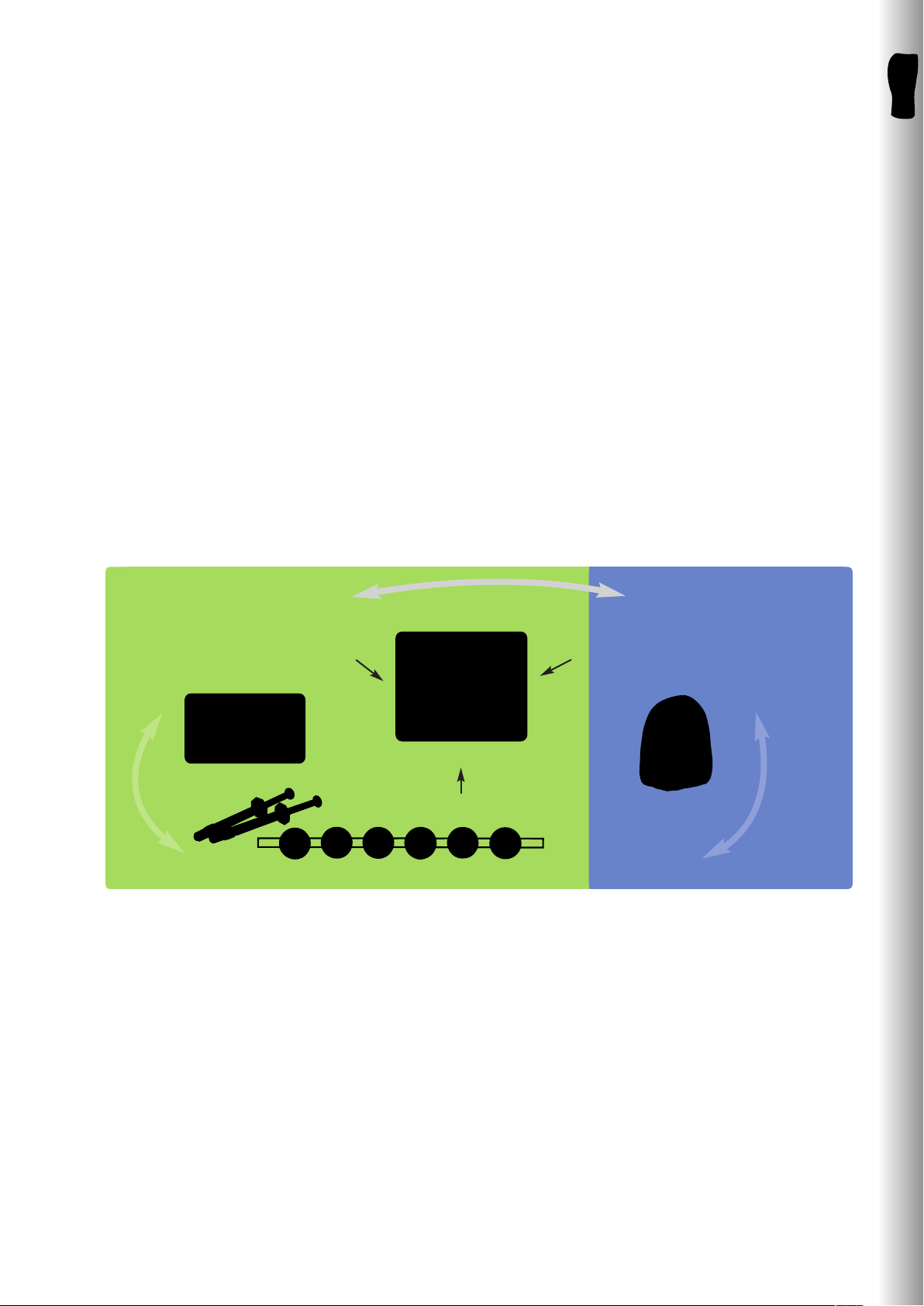
Optimum integration in the oral cavity of the patient is the prerequisite for a true-to-nature all-ceramic
restoration. To achieve this, the following guidelines and notes must be observed by both the dentist
and the laboratory.
The overall esthetic result of an all-ceramic restoration is influenced by the following factors:
• Shade of the preparation (natural preparation, core build-up, abutment, implant)
• Shade of the restoration (framework shade, veneer, characterization)
• Shade of the cementation material
The optical effect of the preparation shade must not be underestimated during the fabrication of highly
esthetic restorations. For that reason, the shade of the preparation should be determined together with
the desired tooth shade in order to select the suitable block. Especially with severely discoloured
preparations or non-tooth-shaded build-ups, this is of utmost importance. Only if the dentist determines
the shade of the preparation and its subsequent transmission to the laboratory may the desired esthetics
be achieved in a targeted fashion.
Preparation Shade
– Prepared natural tooth
– Core build-up
– Implant, abutment
Restoration Shade
Framework
–
– Veneer
– Characterization
Practical Use
Desired Tooth Shade
Cementation Material
Responsibility of the Dental Office Responsibility of the Laboratory
9
Shade determination of the natural tooth
After tooth cleaning, the tooth shade of the non-prepared tooth and/or the adjacent teeth is
determined with the help of a shade guide. Individual characteristics have to be considered when
determining the tooth shade. If a crown preparation is planned, for example, the cervical shade should
also be determined. In order to achieve the best possible true-to-nature results, shade determination
should be carried out at daylight. Furthermore, the patient should not wear clothes of intensive colours
and/or lipstick.
Die shade selection
In order to facilitate the reproduction of the desired tooth shade, the shade of the preparation is
determined with the help of the IPS Natural Die Material shade guide. This enables the technician to
fabricate a model die similar to the preparation of the patient, on the basis of
which the correct shade and brightness values of the all-ceramic restorations
may be selected.
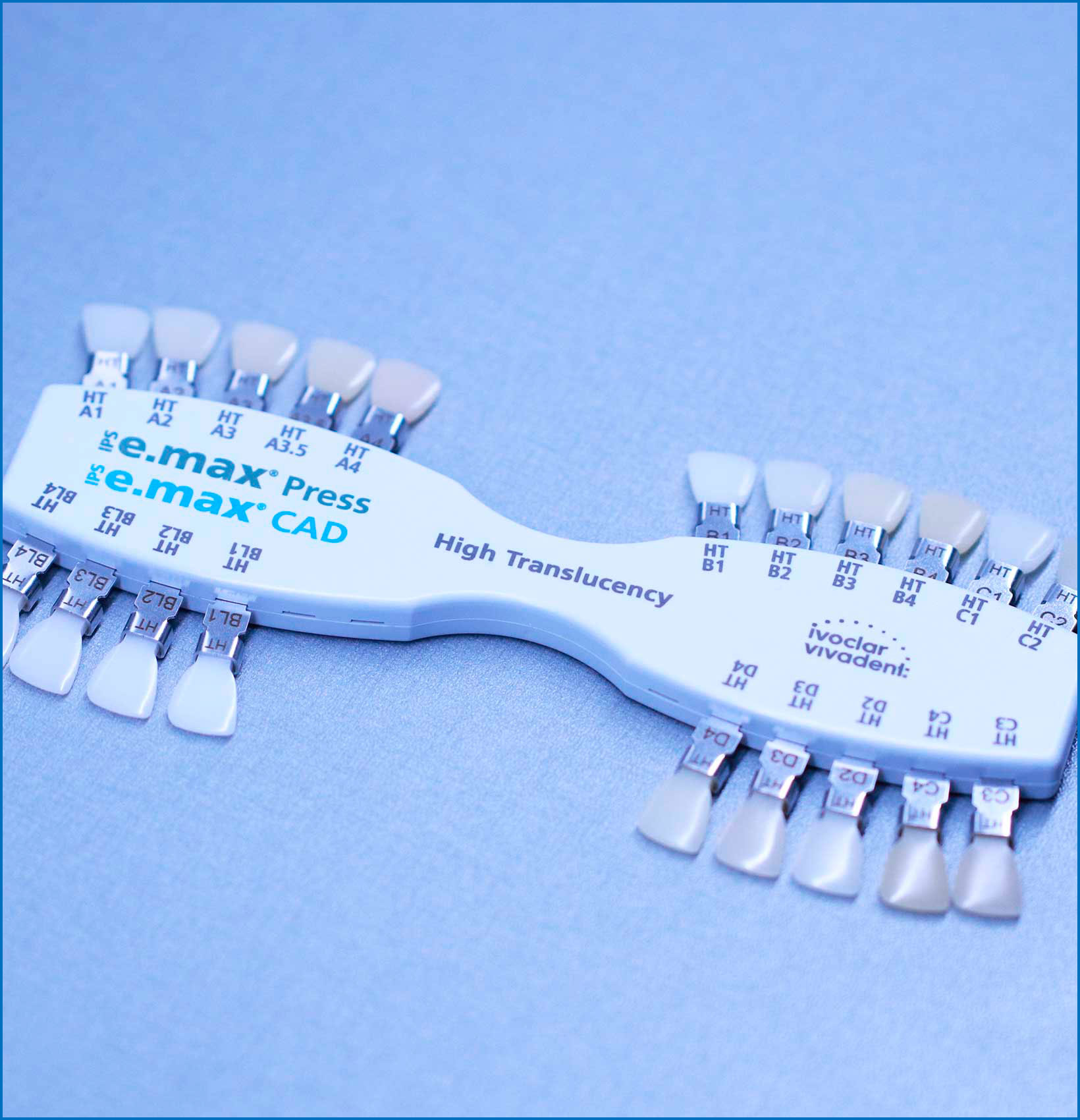
IPS e.max Ceram Material Shade Guides
For IPS e.max Ceram, the material shade guides are an integral part of
the product concept. For reasons of light refraction, the dentin shade
tabs have been given an anatomical shape and surface structure. All
the other shade tabs demonstrate a slight wedge shape, in order to
better illustrate the translucency of the individual materials. The shade
tabs are fired from the original ceramic materials. To facilitate the
distinction from the existing material shade guides (e.g. IPS d.SIGN,
IPS InLine, SR Adoro), the rods and holders of the IPS e.max Ceram
material shade guides are light-grey.
10
Layering Diagram
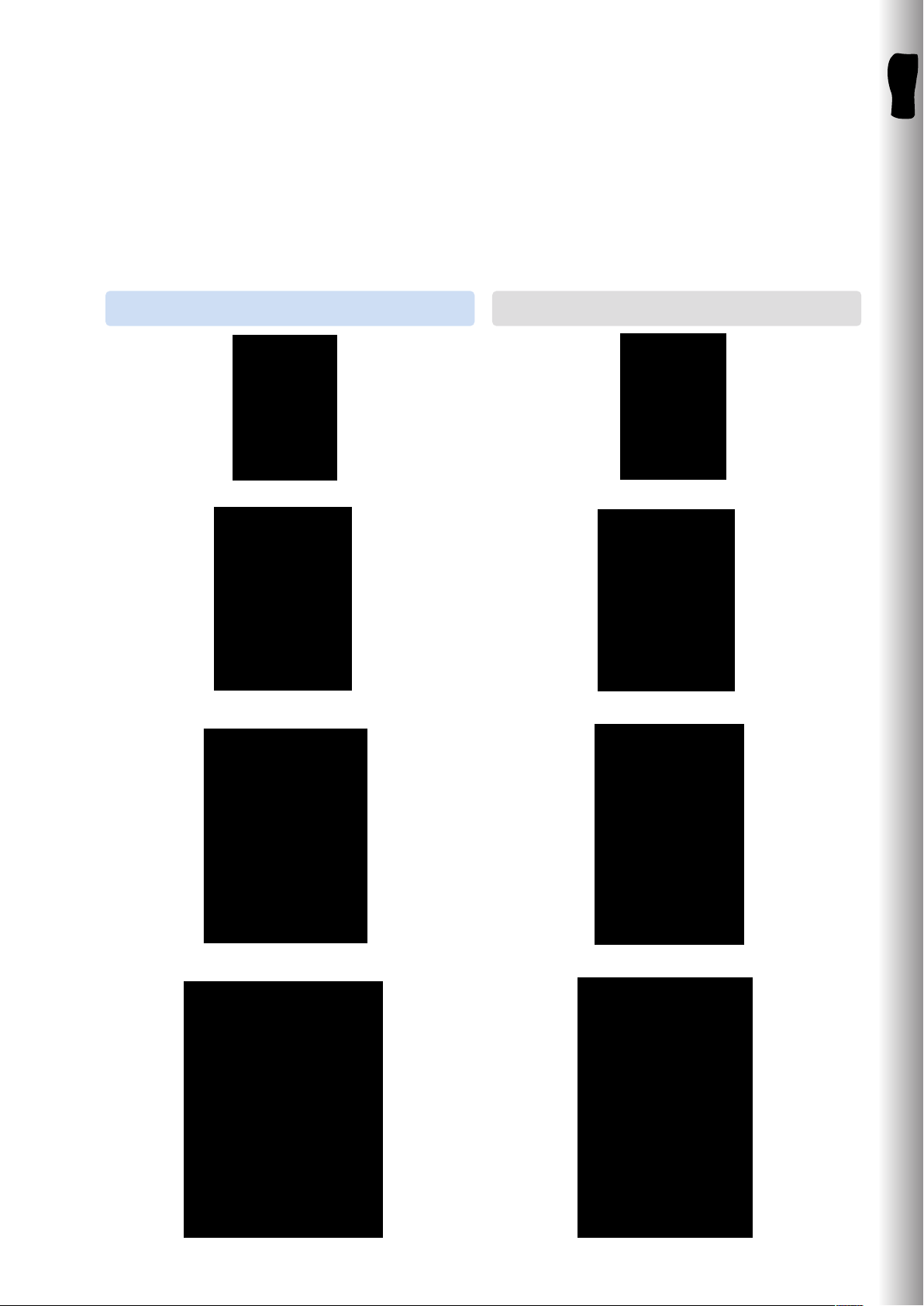
The layering diagram of IPS e.max Ceram has been designed in such a way that easy and reliable shade reproduction is possible, irrespective
of the framework material or framework shade. A proportional framework design that supports both shape and cusps represents the ideal
basis.
Practical Use
Layering Diagram for Lithium Disilicate (LS2)
(IPS e.max Press and IPS e.max CAD)
Highly esthetic glass-ceramic framework
Wash (foundation) application
Layering Diagram for Zirconium Oxide (ZrO2)
(IPS e.max ZirCAD)
High-strength zirconium oxide framework
ZirLiner application
Dentin application
Completing the layering with Incisal material
Dentin application
Completing the layering with Incisal material
11
Framework Design
Failure to observe the stipulated framework design criteria and minimum thicknesses may result in clinical failure, such as cracks,
delamination and ultimately to fracture of the restoration.
The framework design must always support the shape of the restoration and the cusps in order to obtain an even layer thickness of the
veneer with IPS e.max Ceram.
Framework Design Lithium Disilicate (LS2) Framework Design for Zirconium Oxide (ZrO
correct
correct
incorrect
incorrect
correct incorrect
correct
incorrect
)
2
correct
correct
incorrect
incorrect
correct
correct incorrect
12
incorrect
Tips and tricks on layering
Application of the Impulse materials
Increasing the brightness value
Practical Use
By applying Opal Effect 4 or Deep Dentin directly on the wash
layer or ZirLiner, the in-depth brightness value in the dentin area can
be enhanced. The corresponding areas are subsequently covered
with Dentin materials.
Enhancing the in-depth effect – internal
To increase the brightness value in the incisal third, e.g. if space is
limited, Inter Incisal white-blue can be used.
To enhance the in-depth effect in the incisal third, e.g. if space is
limited, Special Incisal, e.g. SI grey, can be used.
13
Designing a true-to-nature incisal third
The Mamelon materials permit a true-to-nature interplay of shades
in the incisal third. They are applied on the completed incisal area,
e.g. MM light, MM salmon.
To complete and enhance the vitality in the incisal area, the shaded
Transparent materials can be used, e.g. T brown-grey.
With the Opal Effect materials, a lifelike opalescent effect in the
incisal third can be achieved. OE 2 can be applied on the
individualized cut-back.
Opal Effect 1 is layered in the mesial and distal areas. Opal Effect 5
is excellently suitable to imitate secondary dentin.
14
Enhancing the in-depth effect – external
Halo effect
Practical Use
The Cervical Transparent materials with their slightly higher fluorescence are used to complete the layering of the cervical third, e.g.
CT orange-pink.
To achieve what is known as the halo effect, Incisal Edge is used
and applied to prolong the incisal edge.
Result of an individual IPS e.max Ceram Impulse layering procedure
15
Applications for the Essence powders
Essence powders are intensively shaded and should, therefore, only be used in very small quantities.
Essence – mixing
Increasing the chroma or the
shade saturation of layering
materials, such as Deep Dentin
and Dentin.
Dentin before
Transpa Incisal before
Dentin after
Enhancing the shade effect of
Incisal materials, e.g. adjusting
of warm and chromatic Incisal
materials.
Transpa Incisal after
Shading of Transparent clear to
create new individual Transpa
materials.
Transpa neutral before
16
Transpa neutral after
Essence – internal
Internal characterizations should only be applied on thoroughly moist areas.
Practical Use
To design Mamelons, e.g. E 02
cream or E 10 terracotta are
used.
To enhance the in-depth
effect, E 15 profundo can be
flushed in.
The increase the brightness
value and to imitate incisal
discolouration, E 01 white and
e.g. E 04 sunset can be flushed
in.
To design enamel cracks, E 02
cream or any mixture can be
applied.
17
Essence – external
Superficial deposits, such as the ones caused by coffee or tea, can be imitated using, e.g. E 13 espresso.
Staining
Completed crown
Natural tooth
Fissures and occlusal surfaces can be reproduced in a lifelike fashion using, e.g. E 05 copper, E 11 mahogany or E 14 terra.
Staining
Completed crown
Natural tooth
Enamel stains are imitated with e.g. E 01 white or E 02 cream.
Staining
Completed crown
18
Natural tooth
®
e.max
IPS
Ceram –
Processing on ZrO2Frameworks
Framework preparation
The stipulations of the manufacturer of the zirconium oxide regarding framework fabrication and preparation
for veneering must be observed. When using IPS e.max ZirCAD, please observe the notes on finishing and
regeneration firing in the respective Instructions for Use.
Place the sintered zirconium oxide framework on the model. Reduce the margins of the premolar for a fused-on
ceramic shoulder down to the inner edge of the chamfer or shoulder preparation. Observe the following
procedure:
– Make sure that the minimum thicknesses are maintained even after minor adjustments.
– Check marginal area and carry out slight adjustments, if necessary.
– Do not ‘post-separate’ the bridge framework after sintering using separating disks, since this may result in undesired pre-
determined breaking points, which will subsequently compromise the stability of the all-ceramic restoration.
– Before veneering, clean framework under running water or with the steam jet and dry.
– The framework must not be blasted with Al2O3or polishing jet medium, since this would damage the
surfaces.
– Before ZirLiner is applied, the framework must be free of dirt and grease. Prevent any contamination after cleaning.
Frameworks
2
Processing on ZrO
Reduce the margins of the premolar down to the inner edge of the chamfer or shoulder preparation for the fused-on ceramic shoulder.
Before veneering, clean framework under running water or with the steam jet and dry.The framework must not be blasted with Al2O3.
Finished and cleaned zirconium oxide framework
19

ZirLiner firing
Before ZirLiner is applied, the framework must be free of dirt and grease. Avoid any contamination after
cleaning. Observe the following procedure.
– The IPS e.max ZirLiners are only suitable for the application on IPS e.max ZirCAD and other zirconium oxide frameworks.
– IPS e.max Ceram ZirLiner must always be applied prior to veneering in order to achieve a sound bond as well as an in-
depth shade effect and fluorescence.
– Direct layering on ZirCAD framework without using IPS e.max Ceram ZirLiner results in a poor bond and may lead to
delamination.
– For unshaded frameworks, use the IPS e.max Ceram ZirLiners 1-4. If the frameworks are shaded, the
IPS e.max Ceram ZirLiner clear is applied.
– Mix the IPS e.max Ceram ZirLiner in the corresponding shade with the respective liquid to a creamy consistency.
– If a different consistency is desired, the IPS e.max Ceram Build-Up Liquids (allround or soft) and the Glaze and Stain
Liquids (allround or longlife) may be used. The liquids may also be mixed with each other at any mixing ratio.
– Apply ZirLiner on the entire framework, pay special attention to the margins. If required, the restoration may be vibrated
until an even, greenish colour effect is achieved. If the colour appears too pale, the layer is too thin.
– For more intensively shaded areas, 4 IPS e.max Ceram Intensive ZirLiners (yellow, orange, brown and incisal) are available.
– After that, the applied ZirLiner is briefly dried and fired.
– The IPS e.max Ceram ZirLiner should have a layer thickness of approximately 0.1 mm after firing
– If ZirLiner is to be individually characterized after the Margin firing, IPS e.max Ceram Essence is suitable for this purpose.
Given the lower firing temperature of Essence, characterization prior to Margin firing is not possible.
Mix the corresponding IPS e.max Ceram ZirLiner with ZirLiner Liquid to a creamy consistency. Cover the entire framework with the mixed ZirLiner. Make sure that an even, greenish
Conduct the ZirLiner firing on a honey-combed firing tray using the stipulated firing parameters.
20
colour effect is achieved.
Firing parameters for the ZirLiner firing (note the temperature control)
IPS e.max Ceram on ZrO
ZirLiner firing
2
B StÀ T H V1 V2
°C/°F min °C/°F/min °C /°F min °C/°F °C/°F
403/
757 72 1760 842 1758
4:00
40/ 960/
1:00
450/ 959/
Frameworks
2
Do not apply any layering materials on unfired ZirLiner, since this will lead to delamination of the layering
ceramic. Before the actual layering is commenced, the ZirLiner must be fired.
1stMargin firing (optional)
A ceramic shoulder is applied to the reduced premolar bridge abutment after the ZirLiner firing. Observe the following
procedure:
– Before the ceramic shoulder is applied, cover the model die with IPS Margin Sealer and allow it to dry. After that, isolate
the shoulder areas using IPS Ceramic Separating Liquid.
– Place the framework on the die and make sure it is correctly positioned.
– Subsequently, mix IPS e.max Ceram Margin in the desired shade with the corresponding Margin Build-Up Liquid
(allround or carving) and apply in drop-shaped increments.
– For more intensively shaded areas, 4 Intensive Margin materials (yellow, yellow-orange and orange-pink) are available.
– Contour the Margin material as desired and dry.
– Carefully remove the framework with the applied and dried shoulder material from the die, place it on a honey-combed
tray and fire.
Processing on ZrO
Isolate the die and apply the Margin material on the entire shoulder preparation.
Do not apply the Margin material too thinly or with a concave shape.Apply the Margin material in drop-shaped increments.
21
Before firing, carefully remove the framework with the applied and dried shoulder material
from the die and fire.
Ceramic shoulder after firing. Compensate for the sinter shrinkage with the
Firing parameters for the 1stMargin firing (note the temperature control)
nd
Margin firing.
2
IPS e.max Ceram on ZrO2 B StÀ T H V1 V2
°C/°F min °C/°F/min °C /°F min °C/°F °C/°F
1stMargin firing
403/
757 72 1472 842 1470
4:00
40/ 800/
1:00
450/ 799/
Important: IPS e.max Ceram Margin materials are only suitable for the application on IPS e.max ZirCAD and other
zirconium oxide frameworks and must not be used in conjunction with glass-ceramic materials.
22
Loading…
Эмаль IPS e.max Ceram Transpa Incisal 100 г (TI2)
Емакс Церам масса режущего края / IPS e.max Сeram Transpa — это высокоэстетичная облицовочная керамика для всей системы IPS e.max. Она позволяет достигать превосходные эстетические результаты с естественным светорассеиванием и сбалансированным соотношением светлоты и цветовой насыщенности. Материал демонстрирует натуральный переход цвета от дентина к режущему краю и таким образом придает реставрации высокоэстетичный внешний вид. С этими заготовками Вы быстро и рационально изготовите виниры, коронки для фронтальных и боковых зубов, а также гибридные коронки на абатментах. В идеале, эти реставрации нужно только покрыть глазурью. Но если есть такое желание их также можно преобразовать при помощи техники окрашивания или редуцирования (cut-back).
Показания к применению
- Характеризация и облицовка реставраций IPS e.max (Press, ZirPress, CAD, ZirCAD);
- Характеризация и облицовка абатментов Straumann Anatomic IPS e.max;
- Характеризация и облицовка каркасов, абатментов имплантов и супраструктур имплантов из спеченного оксида циркония или HIP-Оксида циркония, а также предварительно спеченного оксида циркония (диапазон КТР: 10.5-11.0 (100-500 °C);
- Наслоение виниров.
Характеристика товара
- Одна облицовочная керамика для стеклокерамики LS2 и керамики на каркасе из оксида циркония ZrO2;
- Эффективная и экономичная работа;
- Точное соответствие цвета и одинаковые клинические показатели, такие, например, как стираемость и блеск – независимо от материала каркаса;
- Порошковые красители Essence с практичным эффектом 3-в-1 (для смешивания с массами или для наружной и внутренней характеризации);
- Десневые массы.
Комплектность товара
Емакс Церам масса режущего края / IPS e.max Сeram Transpa Incisal, цвет: TI2, 100гр
Доставка по Москве:
При заказе товара на сумму до — 5000 ₽ — доставка не осуществляется.
При заказе товара на сумму от — 5000 ₽ до 10000 ₽ — стоимость доставки 1000 ₽, на следующий день.
При заказе товара на сумму от — 10000 ₽ доставка осуществляется бесплатно по всей Москве,на следующий день.
Доставка по Подмосковью (до 25 км):
При заказе товара на сумму от 25000 ₽ — доставка осуществляется бесплатно.
При заказе товара на сумму до 25000 ₽ – доставка стоит 1500 ₽.
Доставка по России:
Товар доставляется транспортными компаниями по их срокам и тарифам до терминала. Обычно это занимает 2-3 дня.
При заказе товара на сумму от 25000 ₽ – доставка осуществляется бесплатно (до транспортной компании в Москве).
При заказе товара на сумму до 25000 ₽ – 1500 ₽ (до транспортной компании в Москве).
Услуги транспортной компании оплачивает сам клиент во всех вышеперечисленных пунктах.
Подробные условия доставки
Подробные условия оплаты
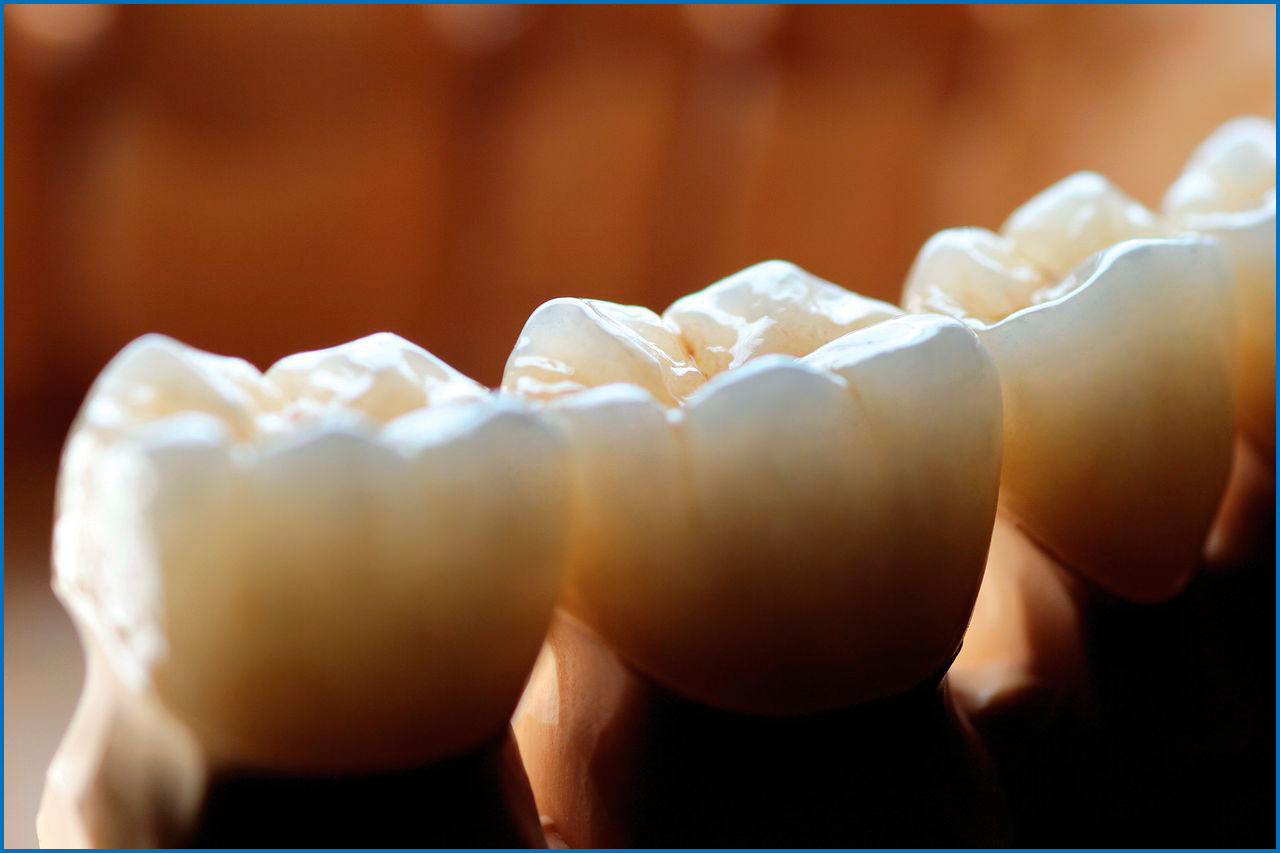
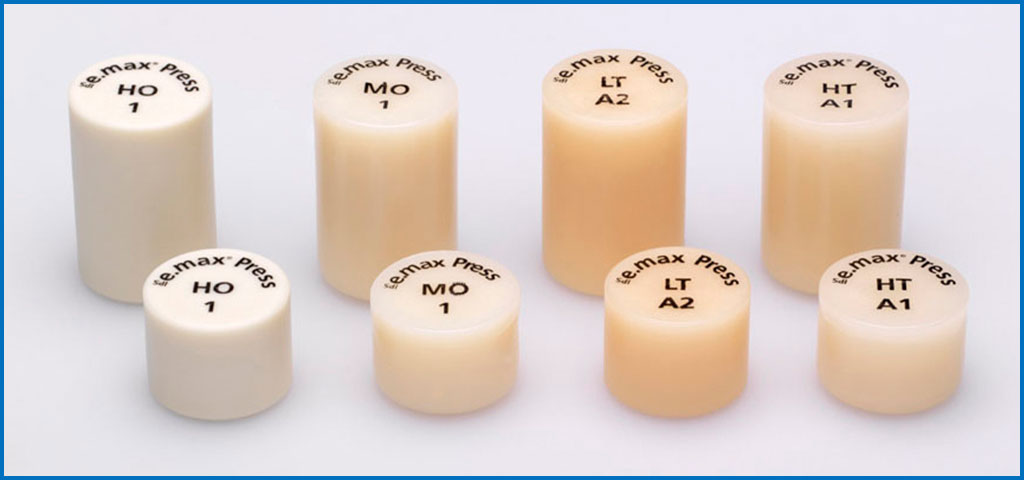
Прессованная керамика является лучшим вариантом для создания
протезов по сочетанию эстетики и прочностных характеристик. Одной из последних
разработок в этом направлении стала Е.max.
Данное вещество входит в группу стеклокерамики, в его
составе около 70% дисиликата лития. Выпускается оно компанией Ivoclar Vivadent
и представляет собой целый комплекс материалов, которыми пользуются современные
техники.
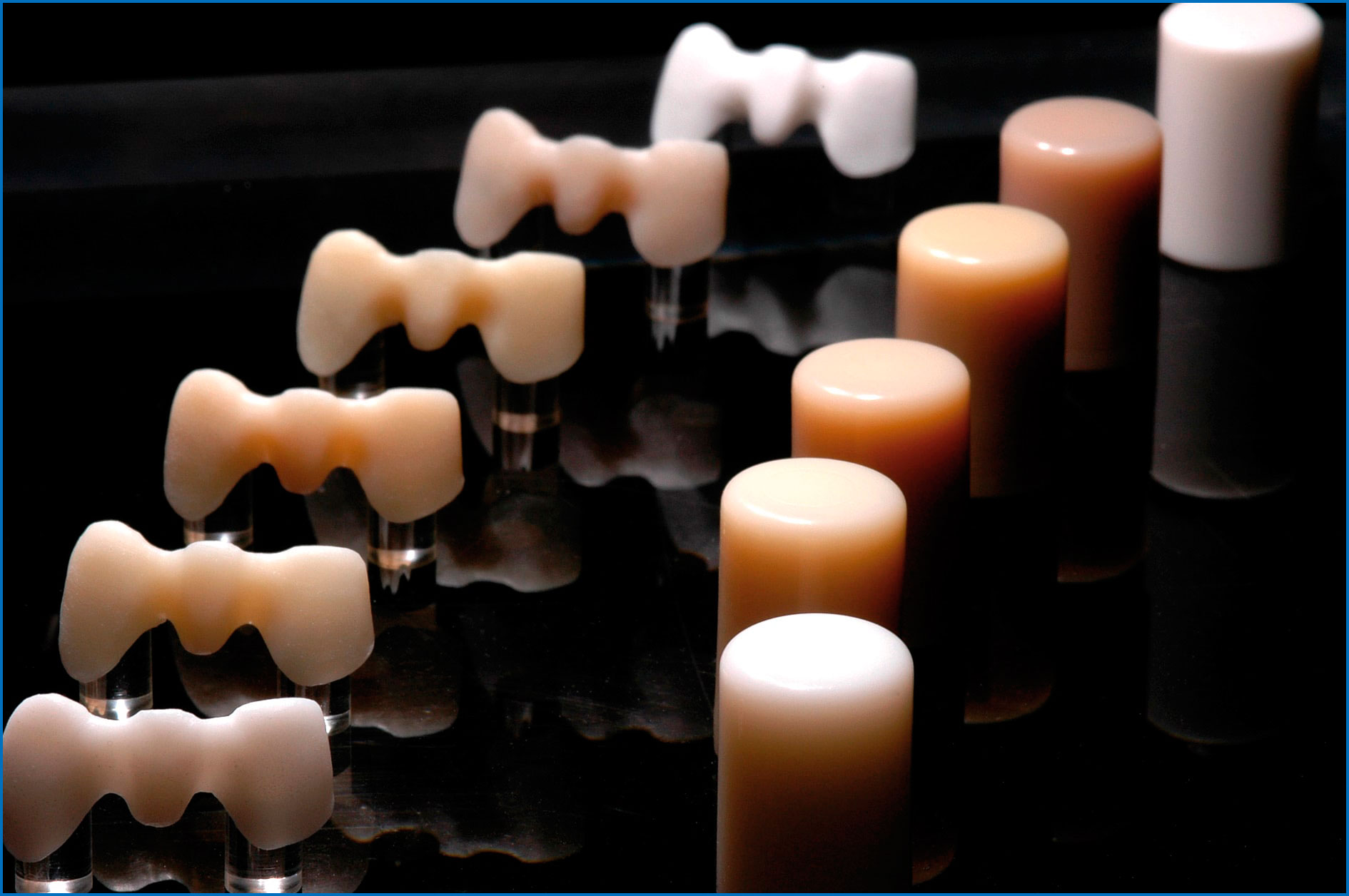
Поставляется стеклокерамика в пяти вариантах по степени прозрачности,
что позволит подобрать идеальный вид для каждого конкретного клинического
случая.
Цвет
Невозможно получить естественный вид реставрации, если
неправильно подбирать цвет. Для этого техники используют различные таблицы оттенков,
которые имеют свою маркировку, в данном случае – это шкала IPS.
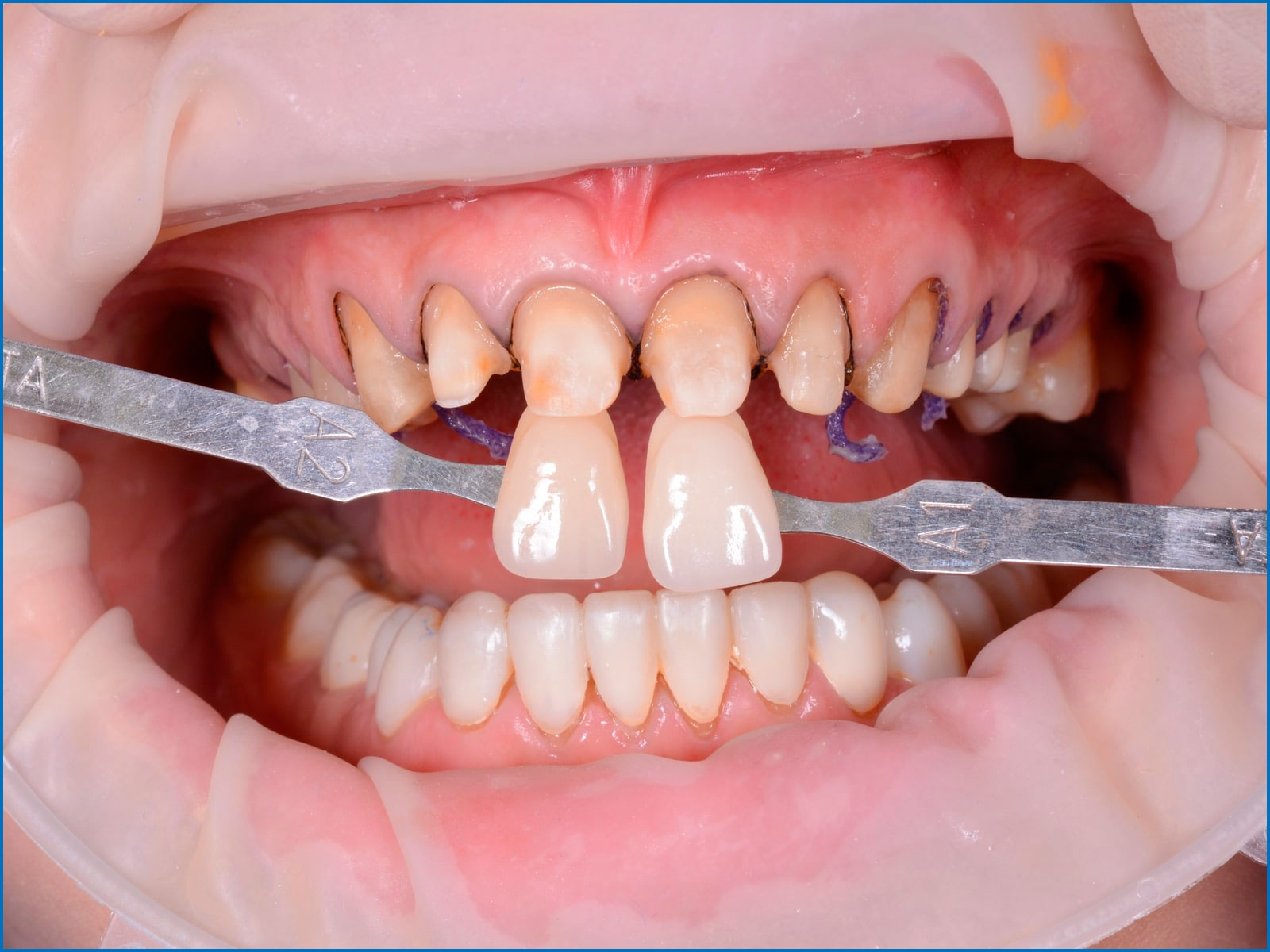
Специалист узнает необходимый оттенок после очистки
здорового зуба без препарации.
Поверхность очищается и сравнивается по цвету со
шкалой. Учитывается, что разные участки единицы могут меняться по интенсивности
окраски.
Потому отдельно оценивают несколько областей:
— пришеечная;
— остальная поверхность.
Для определения без погрешностей нужно использовать дневное
освещение, попросить пациента отказаться от использования яркой одежды или
косметики.
Влияние на цвет оказывают следующие аспекты:
- культя и ее параметры;
- толщина и другие характеристики керамической заготовки;
- облицовочного слоя;
- материала для цементирования.
Определять цвет нужно после прессования изделия, подбор осуществляется
прямо на пациенте. Существует несколько расцветок шаблонов, например, CAD LT
или HO/MO.
Препарирование
Е.макс требует очень точного препарирования, так как
конечные параметры влияют на интенсивность цвета изделия. Необходимо при этом
сохранить прочностные характеристики, то есть не снять слишком большой/маленький
слой материала.
Конкретные значения зависят от вида реставрации.
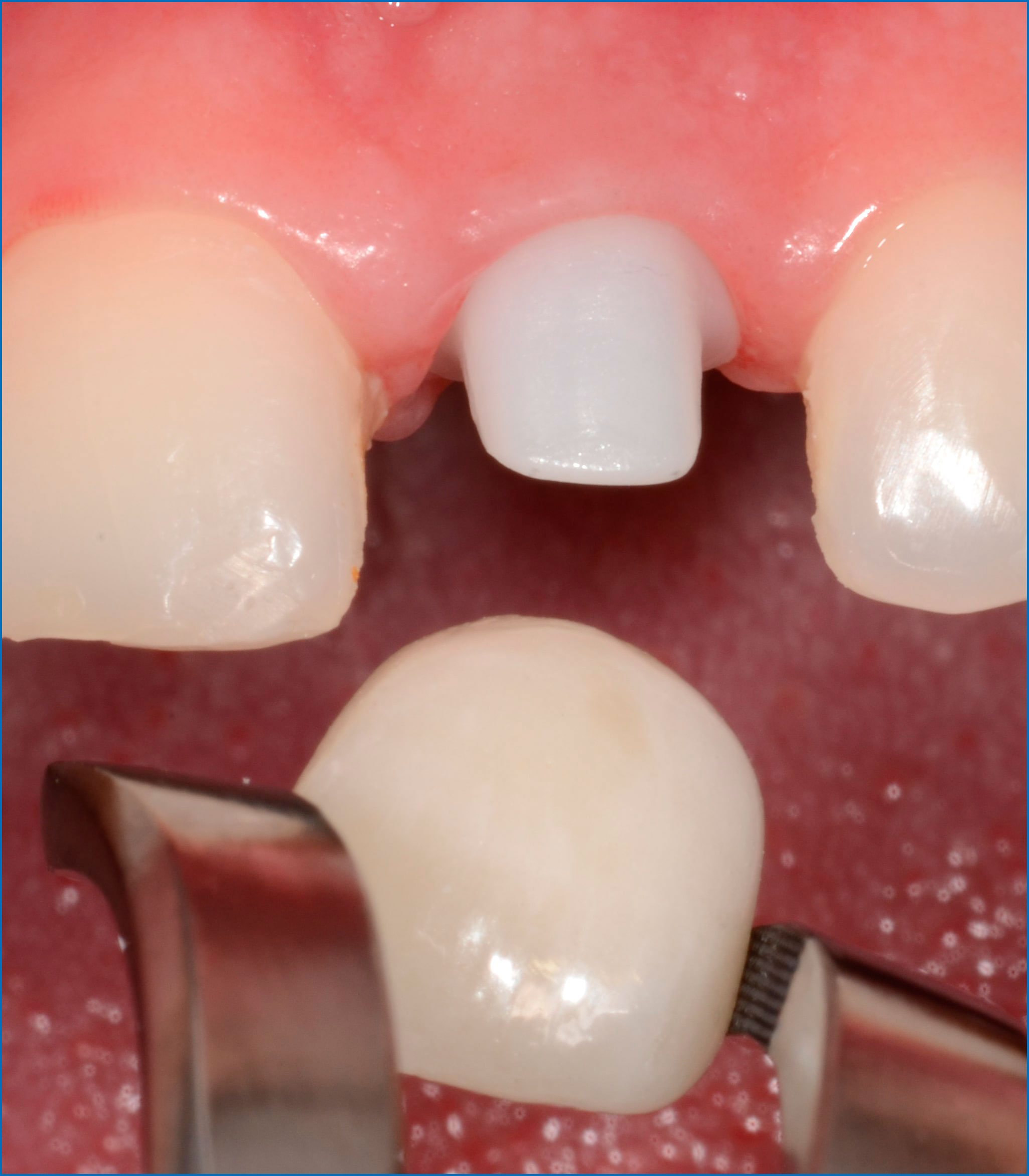
Идеальным является обработка только в пределах эмали. Это
позволит защитить более уязвимые ткани зуба от разрушения, эмаль является
естественным и наиболее надежным препятствием для негативных процессов.
Виниры
На режущей кромке нельзя удалять эмаль в месте окклюзионных
контактов, фасеток стирания. Глубину нужно выдержать точно, для этого можно
провести границы при помощи маркерных боров. Проксимальные контакты удалять
необязательно.
Значения глубины снятия материала следующие:
— при обработке только вестибулярной поверхности – от 0,6 мм;
— для вестибулярной и режущей кромки у пришеечной области –
от 0,6 мм, режущий край обнижается на 0,7.
Специалисты в процессе сошлифовывания учитывают требуемую
прозрачность кромки готовой конструкции. Если естественный цвет единиц изменен,
то для улучшения эстетики реставрации потребуется более глубокая обработка.
Коронки
Для таких компонентов понадобится равномерно снять слой
материала по всей площади будущей культи. Уступ создается циркулярным,
внутренний угол сглаживается.
Подобную форму при фрезеровании получают и абатменты пластиковые.
Точные значения следующие:
- скос уступа составляет 10-30 градусов к горизонтали;
- ширина уступа около 1 мм;
- окклюзионное разобщение – 1,5 мм;
- оральная/вестибулярная поверхность обнижается на 1,2 мм.
Мостовидные конструкции
Наибольшая допустимая ширина может меняться в зависимости от
индивидуальных особенностей пациента:
— положения опорных компонентов;
— их размера;
— состояния;
— размещения на зубной дуге.
Изменения ширины проводится только до препарации, чтобы
исключить риск ошибок.
На эстетическом участке промежуточная часть не должна быть
больше 11 мм. От клыка до второго премоляра — 9 мм.
Частичные коронки
Такие компоненты показаны, если образованная полость
проходит ниже 0,5 мм вершины бугорка. Можно использовать метод в случае
существенного нависания краев эмали.
В этом случае нужно соблюдать следующие параметры:
- окклюзионное разобщение до 1,5 мм;
- уступ создается циркулярным, внутренний угол сглажен, скос
под углом 20-30 к горизонту;
- ширина уступа около 1 мм.
Моделирование
Правильная моделировка является основой успешной
реставрации, если на данном этапе была допущена ошибка, она испортит всю конструкцию.
Учитывать необходимо базовые условия:
— прессованная керамика – это несущая основа системы, от
которой зависит прочность и долговечность. Минимальный процент этого материала
– 50%;
— если был снят излишек материала культи, то компенсировать
углубление нужно именно за счет керамики, а не облицовки;
— если необходимо увеличить перемычку между опорными
единицами, то предпочтительно делать это по вертикали. Задействовать
сагиттальную и горизонтальную плоскость нежелательно;
— для увеличения размеров перемычки, если нет свободного
пространства (особенно выражено на эстетическом участке), рекомендуется
задействовать вертикальную плоскость.
В зависимости от типа конструкции меняются толщины керамики,
которые позволят получить оптимальную светопроницаемость:
- перемычка может достигать 0,3-1,5 мм;
- облицовочный слой 0,6-1,4 мм;
- каркасная основа 0,6-1,6;
- общая толщина конструкции от 1,2 до 3 мм.
При несоблюдении параметров значительно ослабляется вся
конструкция, что может привести к сколам в процессе ношения, трещинам,
переломам.
Цементирование
Цементируемые реставрации рекомендуется монтировать
исключительно на лицензированные составы. Для IPS e.max предпочтительно
применять ассортимент Ivoclar Vivadent.
В этом случае результат легко
прогнозируется, так как вещества имеют строго определенные характеристики по
светопроницаемости в застывшем состоянии.
Марка предлагает:
— Variolink
II/Variolink Veneer. Это композитный состав двойного действия, который
на рынке уже более 10 лет и не теряет актуальности. Лучше всего подходит для
фиксации виниров, так как имеет оптимальную светопроницаемость и цвет для
эстетичного вида. Твердеет материал при воздействии ультрафиолетом;
— Multilink Automix. Композит двойного твердения, обладает
высокой адгезией, за счет которой рекомендован для широкого спектра
реставраций;
— Vivaglass CEM. Стеклоиономер, отличается высокой
прозрачностью. Хорошо сочетается по характеристикам с литий-дисиликатной и
оксид-циркониевой керамикой. Высокую эстетику гарантирует внесение транспарентного
стеклонаполнителя.
Некоторые особенности
При изготовлении моделей рекомендуется использовать ряд
составов, как компенсационный лак и запечатывающая жидкость.
Второй вариант – силер, применяется для отверждения
поверхностного слоя гипсовой модели. Используется минимум, чтобы избежать
изменения линейных размеров конструкции.
Аналогичный эффект может оказать лак, кроме того, он дает
расширение паковочной массы. Для виниров/коронок наносится два слоя в 1 мм от
границы препарирования, на слой до 9-11 мкм.
Аналогичным образом
подготавливается заготовка для мостовидных структур, но используется третий
слой на межкоронковых участках единиц. Это исключает трение, которое дает погрешность
и ненужную подвижность.
Моделировка
После создания разборной модели и штампиков необходимо
привести к анатомической форме восковую композицию. Для этого применяют любой
воск, относящийся к группе беззольных органических.
На данном этапе так же требуется соблюдать рекомендации:
- толщина стенок должна строго соответствовать оптимальному
диапазону величин. Это позволит добиться точности и сохранить требуемую
прочность реставрации;
- нужно соблюдать точность при моделировке, особенно на
участке границ препарирования. Не нужно делать запас по толщине основы, иначе
придется тратить время на припасовку. Если потребуется подгонка, то она создает
дополнительный риск ошибки;
- окклюзионный рельеф учитывается еще на этапе создания
модели из воска. Соблюдается погрешность для компенсации расширения всей
конструкции, связанного с окончательным обжигом глазури, красителей.
Из всех вариантов Е-макс является наиболее эстетичным и
обладает параметрами, близкими к естественным у тканей человека. Он хорошо
приживается, с минимальным процентом отторжений.
Wonderful. And natural.
IPS e.max veneering ceramics.
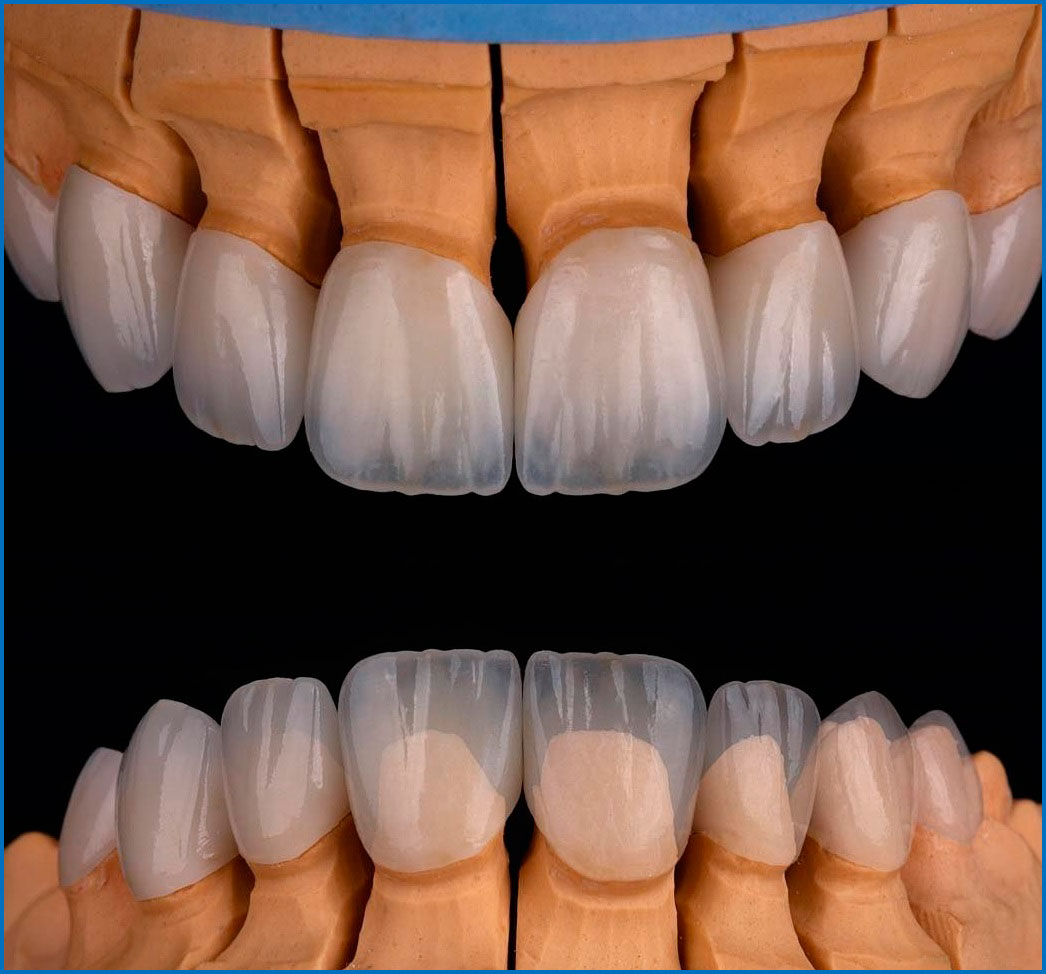
IPS e.max Ceram is the fluorapatite glass-ceramic for the highly esthetic veneering and characterization of IPS e.max lithium disilicate glass-ceramics (LS2) and zirconium oxide (ZrO2).
The material structure of the IPS e.max Ceram veneering materials is modelled on nature, mimicking the natural tooth structure in translucency, opacity and fluorescence.[1]
Layering ceramic for all veneering techniques
IPS e.max Ceram features compatibility with all veneering techniques, offering maximum flexibility and ample scope for creativity.
Your benefits at a glance
Ideal material properties
- intuitive modelling properties and high material stability
- excellent shade and opacity stability
- high firing stability, homogeneity, and surface quality
Versatile
- for the characterization of IPS e.max zirconium oxide and lithium disilicate restorations
- for full-veneers, cut-back technique and micro-layering
- for the fabrication of gingival portions
- for the layering of thins veneers on refractory dies
Vital and vibrant
- broad range of additional ceramic materials in powder form, such as Margin, Impulse, and Opal materials
- for individualized, stunning esthetics
- impressive light dynamics
Reliable
- clinical long-term success for enhanced customer satisfaction
- survival rate of 97%[1]
- ten years’ warranty
- coordinated firing programs in the Programat furnaces
Extensive. And smartly arranged.
IPS e.max Ceram offers a comprehensive and well devised range of shades and a wide variety of additional ceramic materials, such as Margin, Impulse and Opal materials.
A harmonious shade match can be achieved easily and quickly due to a standardized layering scheme and consistent shade concept. It does not matter whether an efficient standard layering scheme or highend layering design to produce lively dynamic optical effects has been chosen.
Further information on IPS e.max Ceram materials
Increased opacity and brightness
The IPS e.max Ceram Power Dentin and Power Incisal materials optimally complement the IPS e.max Ceram assortment. They offer an increased opacity and brightness and reflect more light. Brilliant esthetics can be achieved both on opaque and translucent frameworks.


Modern, translucent substructures reflect less light. This reduces the brightness of the finished restoration. The new materials «Power Dentin» and «Power Incisal” are available to counter this. They allow a natural brightness to be created on translucent frameworks without changing the familiar layering technique. If the new materials are used on opaque frameworks, the restorations can be created with a significantly higher degree of brightness.
You benefit from:
- Compatible with existing Dentin materials for more brightness
- Compatible with existing Incisal materials for more individuality and a greater range of colour
IPS e.max Ceram Power impressions


Different shade gradations
“Pink esthetics” is not only important for creating a harmonious appearance on implant-supported restorations. With the IPS e.max Ceram Gingiva materials, you are able to recreate highly esthetic gingival areas. The Gingiva materials, which are independent of the colour system, are available in various shades. The shade gradations range from orange to reddish all the way to bluish, so that the natural gingiva can be easily imitated.
The Gingiva materials 1-5 are differently shaded basic gingival materials which can be mixed to obtain the required nuance. Additionally, the layering material in the popular shade Gingiva BG 34 is also available. IPS e.max Ceram Intensive Modifier in five colours complement the range. They allow the individual characterization of the basic gingiva materials. In addition, the IPS Ivocolor Essence stains (rose, coral and basic red) can be used for internal characterizations, for mixing or for final external staining.
You profit from:
-
Imitating the natural gingiva
-
Covering long cervical areas on bridge constructions
-
Closing large interdental areas
-
Creating gingival regions in implant superstructures
IPS e.max Ceram Gingiva impressions


Brilliant shades and impressive light-optical properties
Renowned dental technicians Oliver Brix (Germany), August Bruguera (Spain) and Gérald Ubassy (France) have substantially influenced the concept of IPS e.max Ceram Selection. The specially shaded materials and their application are the result of many years of their successful work with IPS e.max Ceram.
The twelve shades are divided into three groups:
The six Special Enamel shades with enamel-like translucency assist in adjusting the colour saturation and chroma. The three Light Reflector Effect materials have light-reflecting capabilities while the three Light Absorber materials have light-absorbing characteristics.
You benefit from:
- coordinated layering materials for more creativity and individuality
- Specific increase or reduction of the brightness values
- Natural-looking[2] effects and expressive esthetics
IPS e.max Ceram-Impressionen
[1] The survival rate of 97% for single-crowns veneered with IPS e.max Ceram (IPS e.max Press, IPS e.max CAD) after ten years was evaluated using the Kaplan Meier method. A. Eser, Examination Report, 214649508, Ivoclar, Schaan, 2024.
[2] At natural lighting conditions. The use of artificially generated UV or UV-like light may result in a different impression.