
Оставьте отзыв
Оставлять отзывы могут только авторизованные пользователи. Пожалуйста, авторизуйтесь
Способ применения и дозировка
Внутрь, по 1-2 таблетки каждые 4 ч, но не более 8 таблеток в сутки. В качестве жаропонижающего ЛС не рекомендуется прием без консультации врача более 3 сут, а в качестве анальгезирующего — более 5 сут.
Условия хранения
Хранить в сухом, защищенном от света месте.
Состав
Кодеин+Парацетамол.
Передозировка
Симптомы: возбуждение, тошнота, тяжесть в голове, бессонница, гипогликемия, гемолитическая анемия, цианоз, бронхоспазм.
Лечение: промывание желудка, активированный уголь.
Особые указания
Избегать совместного приема с др. ЛС, содержащими парацетамол, а также с отхаркивающими препаратами. Не следует превышать рекомендованную дозу. В период лечения необходимо соблюдать осторожность при вождении автотранспорта и занятии др. потенциально опасными видами деятельности, требующими повышенной концентрации внимания и быстроты психомоторных реакций.
Взаимодействие
Усиливает действие антиагрегантов, что может привести к появлению побочных реакций. Кодеин усиливает действие этанола на психомоторную функцию. Индукторы микросомального окисления (барбитураты, противоэпилетические ЛС, рифампицин и этанол) повышают риск развития гепатотоксичности. Одновременный прием с ингибиторами МАО вызывает атаксию, гипотонию, парестезии, нарушение аккомодации. ЛС, угнетающие ЦНС, усиливают седативный эффект и угнетающее действие на дыхательный центр. Пероральные контрацептивные ЛС на 20-30% снижают скорость метаболизма парацетамола.
Фармакологическое действие
Комбинированный препарат, действие которого обусловлено эффектами входящих в его состав компонентов. Парацетамол обладает обезболивающим и жаропонижающим действием. Кодеин оказывает центральное противокашлевое действие, а также анальгезирующее действие. Продолжительность анальгезирующего действия — 4 ч, противокашлевого — 4-6 ч.
Показания к применению
Болевой синдром легкой и умеренной степени выраженности (мигрень, головная и зубная боль, невралгия, корешковый синдром, артралгия, травмы опорно-двигательного аппарата). Простудные заболевания, грипп.
Побочное действие
Тошнота, рвота, боли в эпигастральной области, аллергические реакции, анемия, тромбоцитопения, метгемоглобинемия и нарушения функции печени и почек.
При длительном применении в высоких дозах — развитие лекарственной зависимости.
Противопоказания
Гиперчувствительность, выраженная почечная/печеночная недостаточность, нарушение гемопоэза, генетически обусловленный дефицит глюкозо-6-фосфатдегидрогеназы, нарушения дыхания вследствие угнетения дыхательного центра, легочная недостаточность, беременность, период лактации, детский возраст до 12 лет.
- Анальгетики
- Опиоиды
- N02AJ
- Опиоиды
Внимание! Материалы, представленные здесь, служат лишь для ознакомления и не могут являться руководством для самостоятельного лечения. Сайт ни в коем случае не ответственен за приведенные описания препаратов. Вы используете или не используете их на свой собственный риск!
# На 2025-May-23
ориентировочно, Вы можете купить «CO-CODAMOL TBL 500/8MG N20» в городе Рига, Латвия по следующей цене:
-
2.89€ 3.25$ 2.43£ 334руб. 31.5SEK 12PLN 11.56₪
| Mакcимально допустимая государством цена в Латвии (от сайта ZVA) Euro: | Перепроверить |
Фирма производитель: Actavis Ltd.
Безрецептурный препарат/средства ухода за больными, перевязочные материалы, перчатки, медицинские принадлежности, устройства,…
| Cписок лекарств, продуктов c таким же или со схожим наименованием * | ||
|---|---|---|
| Название товара / лекарства | Цены | Аптечная сеть |
CO-CODAMOL TBL 500MG+
|
4.89€, Feb.2023 | Aptev.ee, OÜ Mai apteek (Эстония) |
Co-Codamol tab.obd.30mg/
|
10.16€
, Oct.2021 |
Meness aptieka T. 8555, Время работы: рабочие дни 9.00-18.00. *Указанная цена ориентировочна и может несколько отличаться. |
CO-CODAMOL 30MG/
|
10.94€, Nov.2024 | internetaptieka.lv T. 26699176, Адрес: Марупе, улица Дзирниеку 26, LV-2167. Время работы: рабочие дни: 8.30-17.00. Лекарства по рецептам можно будет получить лично, придя с рецептом или документом, удостоверяющим личность, или заказать на дом с доставкой, если выписан e-рецепт. Указанная цена ориентировочна и может несколько отличаться. Цена доставки 3.00€. |
* Данная таблица была скомпонована полностью автоматически, независимым от позиции рекламодателей способом, напрямую и без модификаций, ретранслируя открытые предложения доступные на указанные даты.
INSTRUKCIJAS
Ar sabiedrībai paredzēto aktuālo informāciju par zālēm, tai skaitā zāļu aprakstiem un lietošanas instrukcijām, ar 2-3 peles «klikšķiem» var iepazīties Latvijas Valsts zāļu aģentūras tīmekļa vietnē — www.zva.gov.lv
CO-CODAMOL 500MG/+8MG N20
Информационный листок-вкладыш: информация для пациента
Ко-кодамол, 500 мг/8 мг таблетки Co-codamol, 500 mg/8 mg tabletid
Парацетамол и фосфат гемигидрат кодеина
Перед применением препарата внимательно прочтите информационный листок, поскольку он содержит необходимую вам информацию.
Всегда принимайте это лекарство так, как описано в данном информационном листке или так, как вам объяснили врач или аптекарь.
— Сохраните информационный листок, чтобы обращаться к нему по мере надобности.
— Для получения дополнительных сведений проконсультируйтесь со своим врачом или аптекарем.
— При возникновении любых побочных эффектов проконсультируйтесь с врачом или аптекарем. Возможно возникновение побочных эффектов, не указанных в данном информационном листке. См. раздел 4.
— Если по прошествии 3 дней вам не станет лучше или вы почувствуете себя хуже, следует связаться с лечащим врачом.Содержание информационного листка:
1. Что представляет собой препарат Ко-кодамол и для чего он применяется
2. Что следует знать перед приемом Ко-кодамола
3. Как принимать Ко-кодамол
4. Возможные побочные эффекты
5. Как хранить Ко-кодамол
6. Содержимое упаковки и прочая информация1. Что представляет собой препарат Ко-кодамол и для чего он применяется
Действующие вещества Ко-кодамола относятся к группе препаратов, именуемых анальгетиками.
Таблетки Ко-кодамола применяются при умеренных болях (подходит, например, для облегчения головной боли, при больном нерве, зубной боли, ревматических и менструальных болях).
Кодеин показан для лечения острой и умеренной боли у детей старше 12 лет и взрослых только в том случае, если боль невозможно облегчить при помощи других обезболивающих препаратов, таких как парацетамол или ибупрофен.2. Что следует знать перед приемом Ко-кодамола Не принимайте Ко-кодамол:
— если у вас аллергия на парацетамол, фосфат кодеина, другие опиоиды или какие-либо компоненты этого препарата (перечислены в разделе 6).
— если у вас понос, вызванный отравлением или связанный с приемом антибиотиков;
— если у вас затруднено дыхание или хроническое заболевание легких;
— если у вас астма или аллергическое заболевание;
— если у вас заболевание печени или надпочечников (болезнь Аддисона или феохромоцитома);
— если у вас воспалительное заболевание толстой кишки, заболевание желчного пузыря или желчекаменная болезнь;
— если вами недавно перенесена операция на кишечнике или мочевыводящих путях;
— если вы мужчина и у вас трудности с мочеиспусканием;
— если у вас эпилепсия или вами была перенесена травма головы;
— если у вас гипофункция щитовидной железы;
— если у вас myasthenia gravis (слабость в мышцах);
— если у вас низкое кровяное давление или вы потеряли много жидкости (шок);
— если у вас были или имеются проблемы со злоупотреблением алкоголем, медикаментозная зависимость, суицидальные мысли или попытки, вы перенесли какое-либо психическое заболевание или употребляете накротики — все эти факторы способствуют развитию медикаментозной зависимости;
— если вы пожилой человек или пациент со слабым здоровьем.
— если вы принимаете другие препараты, содержащие парацетамол.
— если речь идет о ребенке (младше 18 лет), перенесшем операцию по удалению миндалин или аденоидов вследствие апноэ, поскольку такие пациенты подвержены большему риску возникновения серьезных и опасных для жизни побочных эффектов,
— если вы кормящая мать, поскольку кодеин выделяется с грудным молоком и может попасть в организм ребенка;
— для обезболивания пациентов, по имеющихся данным имеющих сверхбыстрый обмен веществ, поскольку они подвержены большей опасности возникновения серьезных побочных эффектов кодеина.Предостережения и меры предосторожности
Перед приемом Ко-Кодамола проконсультируйтесь с лечащим врачом:
— если вам планируется провести плановую операцию, в том числе, удаление зубов, или если планируется сдача анализа крови или мочи, сообщите лечащему врачу или дантисту о принимаемых вами препаратах.
— если у вас синдром Гилберта (наследственная гипербилирубинемия);
— если у вас недостаточность глюкозо-6-фосфатдегидрогеназы;
— если у вас почечная недостаточность.
— если у вас пищевые расстройства (недоедание, анорексия).
— если вы злоупотребляете алкоголем.
На фоне приема обезболивающих средств каждые два дня или чаще в течение длительного времени (>3 месяцев), возможно появление или усугубление головной боли. Головную боль, обусловленную злоупотреблением препаратом, нельзя лечить дальнейшим повышением дозировки. В таких случаях следует проконсультироваться с врачом.
При резком прекращении неверного приема больших доз обезболивающих в течение длительного времени могут возникать головные боли, усталость, боли в мышцах, нервозность и автономные симптомы. Данные симптомы отмены проходят через несколько дней. До их исчезновения следует избегать приема обезболивающих, и без консультации с врачом снова начинать прием обезболивающих не следует.Другие лекарственные препараты и Ко-кодамол
Если вы принимаете, недавно принимали или планируете принимать какой-либо другой препарат, сообщите об этом лечащему врачу или аптекарю.
Особенно важно сообщить об этом лечащему врачу или аптекарю, если вы принимаете какой-либо из следующих препаратов:
— антибиотики (например, ципрофлоксацин);
— таблетки, выводящие воду (диуретики, например, спиронолактон, фуросемид, ацетазоламид);
— препараты, снижающие свертываемость крови (например, варфарин);
— препараты, понижающие кровяное давление (например, гуанетидин);
— препараты от поноса (например, лоперамид, каолин); препараты от эпилепсии (например, фенитоин, карбамазепин, валпоат натрия);
— холиноблокаторы (например, атропин, гиосцин);
— препараты, подавляющие деятельность центральной нервной системы (снотворные, диазепам, гидроксизин и препараты, применяемые при психических заболеваниях);
— лекарства от депрессии (например, транилципромин, амитриптилин);
— препараты, влияющие на активность ферментов печени (например, примидон и рифампицин);
— барбитураты;
— антагонисты опиоидов (например, бупренорфин, налоксон, налтрексон);
— ингибиторы моноаминоксидазы (МАО) (определенные антидепрессанты, например, моклобемид);
— контрацептивы для внутреннего применения («анти-беби пилюи»);
— циклизин;
— мексилетин;
— селегилин;
— циметидин;
— цизаприд;
— метоклопрамид;
— домперидон;
— колестирамин;
— хлорамфеникол;
— алкоголь.
При обращении в какую-либо другую больницу или к другому врачу, проинформируйте врачей о препаратах, которые вы применяете.Сочетание препарата Ко-кодамол с пищей, питьем и алкоголем
Если вы не принимаете полноценную пищу или употребляете мало белков, при приеме таблеток Ко-кодамол может возникать больше побочных эффектов.
Одновременное употребление Ко-кодамола и алкоголя ЗАПРЕЩЕНО. При возникновении вопросов обратитесь к лечащему врачу.Беременность, кормление грудью и фертильность
Если вы беременны, кормите грудью или полагаете, что беременны, либо планируете беременность, перед применением препарата проконсультируйтесь с лечащим врачом или аптекарем.
Беременность: Регулярное применение в период беременности может вызывать у плода физическое привыкание, а также симптомы отмены после рождения. При употреблении опиатов во время родов опиаты поступают в кровеносную систему плода и могут вызвать у новорожденного задержку дыхания. В первом триместре беременности применение Ко-кодамола запрещено. Во время родов применения Ко-кодамола следует избегать.
Кормление грудью: Без разрешения врача в период грудного вскармливания данный препарат, как и другие кодеинсодержащие препараты применять нельзя. Кодеин выделяется с грудным молоком и может навредить ребенку. Если врач все же назначил вам препарат в период грудного вскармливания, следует применять минимально возможные дозы. Грудного младенца следует тщательно наблюдать на предмет всевозможных признаков и симптомов интоксикации, таких как чрезмерная сонливость, затрудненное сосание, затрудненное дыхание и падение мышечного тонуса. При возникновении у младенца таких симптомов следует незамедлительно обратиться к врачу.Вождение автотранспорта и управление механизмами
Ко-кодамол может вызывать сонливость и головокружение. Если это произойдет, не садитесь за руль и не управляйте механизмами.
3. Как принимать Ко-кодамол
Всегда принимайте это лекарство так, как описано в данном информационном листке или так, как вам объяснили врач или аптекарь. Обратитесь к лечащему врачу или аптекарю, если вы в чем-то не уверены.
Рекомендуемая дозировка:
Взрослые и подростки старше 15лет: 1…2 таблетки, можно повторять каждые 4…6 часов. В сутки (в течение 24 часов) запрещено принмать более 8 таблеток.
Дети от 12 до 15 лем: 1 таблетка каждые 6 часов. Не давайте своему ребенку более 4 таблеток в течение 24 часов.
Применение кодеина у детей младше 12 лет запрещено, поскольку по причине изменчивого и непредсказуемого метаболизма кодеина и морфина возникает риск возникновения отравления опиатами.
Применение после операции
Ко-кодамол запрещено применять у детей (младше 18 лет), перенесших операцию по удалению миндалин или аденоидов вследствие апноэ, поскольку такие пациенты подвержены большему риску возникновения серьезных и опасных для жизни побочных эффектов.
Применение препарата у детей с нарушениями дыхания У детей с проблемами с дыханием применение кодеина запрещено.
Пациенты с нарушениями функции печени: препарат следует применять с осторожностью (при необходимости, снизить дозировку). Пациентам с тяжелый печеночной недостаточностью применение данного препарата запрещено.
Пациенты с нарушениями функции почек: препарат следует применять с осторожностью. Пациентам с тяжелым поражением почек следует свести дозу к минимуму и за пациентами необходимо вести тщательное наблюдение.
Таблетки следует принимать внутрь, запивая жидкостью. При сохранении симптомов более 3 дней проконсультируйтесь с лечащим врачом.
Если вам кажется, что Ко-кодамол оказывает слишком сильное или слишком слабое действие, проконсультируйтесь с лечащим врачом или аптекарем.Если вы приняли больше Ко-кодамола, чем предусмотрено
Если вы случайно приняли слишком большую дозу, то даже при хорошем самочувствии следует немедленно обратиться в ближайшую больницу или связаться с лечащим врачом. Вследствие передозировки может развиться тяжелое поражение печени. Возьмите оставшиеся таблетки и упаковку от препарата с собой.
Если вы забыли принять Ко-кодамол
Если вы пропустили прием препарата, то примите его сразу, как только вспомните. Примите следующую дозу в предусмотренное время. НИКОГДА не принимайте двойную дозу одновременно. Обратитесь к лечащему врачу или аптекарю для получения дополнительной информации.
При возникновении дополнительных вопросов о применении препарата проконсультируйтесь с лечащим врачом или аптекарем.4. Возможные побочные эффекты
Как и любой другой препарат, это лекарство может вызывать побочные эффекты, которым подвержены не все.
К числу самых обычных побочных эффектов от применения Ко-кодамола относятся усталость, тошнота и запор, о которых сообщалось у 1…10% пациентов.
Около 15% пациентов, принимавших препарат, испытывали побочные эффекты, преимущественно обусловленные фармакологическим действием кодеина.
Нарушения со стороны кровеносной и лимфатической систем
Редко ≥1/10000 до <1/1000)Тромбоцитопения (дефицит тромбоцитов в крови), гемолитическая анемия (распад красных кровяных телец), агранулоцитоз (дефицит гранулоцитов определенных кровяных клеток), лейкопения (дефицит белых кровяных телец), нарушения функции тромбоцитов, нарушения функции стволовых клеток, нейтропения (дефицит определенных кровяных клеток, или нейтрофилов). Очень редко (<1/10 000) Малокровие. Обмен веществ и нарушения пищевого поведения
Очень редко (<1/10 000)Гипогликемия (низкий уровень сахара в крови). Нарушения со стороны нервной системы
Часто ≥ 1/100 до < 1/10)Сонливость, головная боль. Нечасто ≥1/1,000 до <1/100) Головокружение.
Редко (>1/10000 до <1/1000) Дрожь в руках. Частота неизвестна (на основании имеющихся данных оценить невозможно) Обморок (при приеме больших доз). Нарушения зрения
Нечасто (>1/1,000 до <1/100)Нарушение зрения (при приеме больших доз). Нарушения со стороны уха и лабиринтные расстройства
Редко (>1/10000 до <1/1000)Тиннитус (звон в ушах). Нарушения со стороны грудной клетки и средостения
Нечасто (>1/1,000 до <1/100)Дыхательная недостаточность (у пациентов с повышенным внутричерепным давлением или травмой головы). Редко (>1/10000 до < 1/1000) Нехватка воздуха. Очень редко (<1/10 000) Бронхоспазм. Нарушения со стороны желудочно-кишечного тракта
Часто (> 1/100 до < 1/10)Тошнота, запор, рвота. Нечасто (>1/1,000 до < 1/100) Сухость во рту. Редко (>1/10000 до < 1/1000) Боль в желудке, кровоточивость. Нарушения со стороны почек и мочевыводящих путей
Очень редко (< 1/10 000)Поражение почек (может возникать при длительном применении, см. также раздел 4.4), мутная моча, побочные эффекты на почки. Повреждения кожи и подкожной клетчатки
Редко (>1/10000 до < 1/1000)Кожная сыпь, крапивница, зуд, покраснение. Нарушения со стороны кровеносных сосудов
Часто (> 1/100 до < 1/10)Потливость. Общие и местные реакции в месте инъекции
Часто (> 1/100 до < 1/10)Слабость. Редко (>1/10000 до <1/1000) Жар, сонливость.
Нарушения со стороны иммунной системы
Редко ≥1/10000 до < 1/1000) Очень редко (< 1/10 000)Аллергические реакции.
Анафилаксия (быстро протекающая опасная аллергическая реакция), ангиоэдема (локальный отек кожи). Реакция сверхчувствительности (требует прекращения лечения).Нарушения со стороны печени и желчевыводящих путей
Нечасто ≥1/1,000 до < 1/100)Нарушения в работе желчевыводящих путей. Редко ≥1/10000 до < 1/1000)
Очень редко (< 1/10 000)Печеночная токсичность, поражение печени, способное привести к печеночной недостаточности, повышение уровня ферментов печени, печеночный некроз, желтуха. Острый панкреатит. Нарушения со стороны психики
Редко ≥1/10000 до < 1/1000)
Частота неизвестна (на основании имеющихся данных оценить невозможно)Нарушения сна, депрессия, спутанность сознания, галлюцинации.
Эйфория (при больших дозах).Повреждения, отравления и осложнения при проведении процедур Редко ≥1/10000 до <1/1000) Передозировка и отравление. В некоторых случаях сообщалось о некролизе (отмирании ткани), синдроме Стивенса-Джонсона, мультиформном покраснении, отеке гортани, анафилактическом шоке, анемии, изменениях в печени и гепатите, изменениях в почках (тяжелая почечная недостаточность, воспаление почек, крови в моче, отсутствии мочеиспускания), побочных эффектах на пищеварительный тракт и головокружении.
По прекращении лечения могут возникнуть следующие симптомы — резкий отказ от лечения может вызвать синдром отмены, симптомами которого служат дрожь, бессонница, тошнота, рвота, потливость и учащение сердечного ритма, учащение дыхания и повышение кровяного давления.
ПРИМЕЧАНИЕ: толерантность к препарату быстро снижается по прекращении лечения, поэтому большая доза, принимаемая перед прекращением лечения может впоследствии оказывать токсическое влияние.Сообщение о побочных эффектах
При возникновении любых побочных эффектов проконсультируйтесь с врачом или аптекарем. Возможно возникновение побочных эффектов, не указанных в данном информационном листке. О побочных эффектах вы также можете сообщить самостоятельно на сайте www.ravimiamet.ee. Сообщив о них, вы поможете получить больше информации о безопасности препарата.
5. Как хранить Ко-кодамол
Храните этот препарат в скрытом от детей и недоступном для них месте.
Хранить при температуре не выше 25°C, в оригинальной упаковке, защищенным от влаги и света.
Не принимайте этот препарат по истечении срока годности, указанного на коробке в виде «Kõlblik kuni». Срок годности соответствует последнему дню указанного месяца.
Не выбрасывайте лекарства в канализацию или вместе с бытовыми отходами. Спросите у аптекаря, как утилизировать лекарства, которые вы больше не применяете. Эти меры способствуют охране окружающей среды.6. Содержимое упаковки и прочая информация Что содержит Ко-кодамол
— Действующие вещества: парацетамол и фосфат гемигидрат кодеина. Одна таблетка содержит 500 мг парацетамола и 8 мг фосфата гемигидрата кодеина.
— Вспомогательные вещества: коллоидный диоксид кремния, кукурузный крахмал, стеариновая кислота.Как выглядит Ко-кодамол и что содержится в упаковке
Таблетка плоской формы, круглая, белого цвета, с делительной риской.
20 таблеток в блистерной упаковке.Держатель торговой лицензии и изготовитель
Держатель торговой лицензии
Actavis Group PTC ehf Reykjavikurvegi 76-78 220 Hafnarfjördur Исландия
Изготовитель Actavis UK Limited,
Whiddon Valley,
Barnstaple,
N Devon EX32 8 NS,
Великобритания
При возникновении дополнительных вопросов в отношении данного препарата просим обращаться к местному представителю держателя торговой лицензии:
Teva Eesti esindus
UAB Sicor Biotech Eesti filiaal
Hallivanamehe 4
11317 Tallinn
Tel: +372 6610 801Последнее обновление информационного листка датируется сентябрем 2017 г.
Оригинальный источник инструкции к препарату здесь: Департамент лекарственных средств республики Эстония
|
Для автоматического поиска наилучших цен на препарат и аналогов-дженериков к CO-CODAMOL TBL 500/8MG N20 нажмите здесь: |
N02AJ06 |
• Изображения носят иллюстративный характер. Изображения лекарств на сайте могут отличаться от фактического вида.
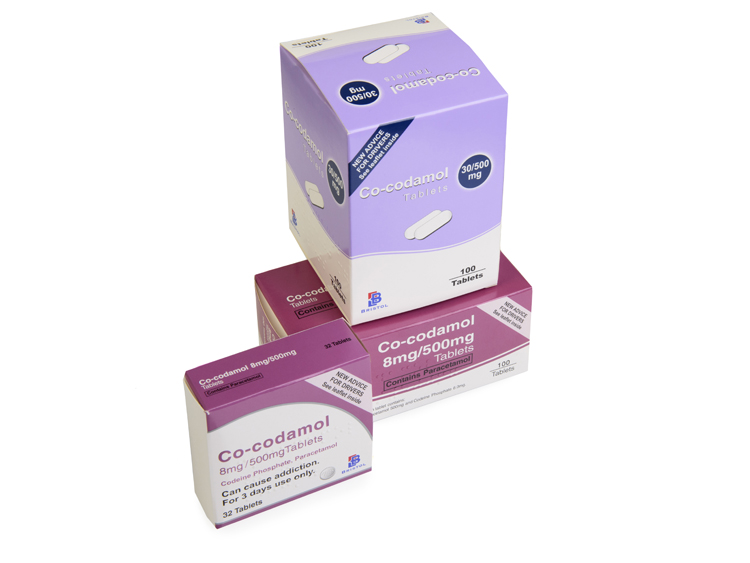
Different co-codamol strengths
Co-codamol tablets and capsules come in 3 different strengths, containing 8mg, 15mg or 30mg of codeine.
All 3 strengths contain 500mg of paracetamol – the same as in a standard paracetamol tablet or capsule.
The strength of co-codamol appears as 2 numbers on the packet. For example, 8/500 means each tablet or capsule contains 8mg of codeine and 500mg of paracetamol.
You can buy the lowest strength of co-codamol (8/500) without a prescription but only from a pharmacy. The higher strengths (15/500 and 30/500) are only available on prescription from a doctor.
Dosage
Adults can take 1 or 2 tablets (of any strength) up to 4 times in 24 hours. It’s important to leave a gap of at least 4 to 6 hours between doses of co-codamol.
The maximum dose is 8 co-codamol tablets in 24 hours.
Taking too much co-codamol can be very dangerous. That’s because the paracetamol in it can cause liver damage.
Do not increase the dose of co-codamol or take more than 2 tablets at once, even if your pain is very bad. Talk to a pharmacist or doctor if you think the dose is not enough to help your pain.
Important:
Maximum dose of co-codamol
The maximum dose of co-codamol for adults is 8 tablets in 24 hours.
How to take it
Swallow co-codamol tablets or capsules whole with a drink of water.
Co-codamol also comes as soluble (effervescent) tablets that you dissolve in a glass of water to make a drink.
You can take co-codamol with or without food.
How long to take it for
If your doctor has prescribed co-codamol for you, they’ll tell you how long to take it for.
For example, if you’re in pain after an injury or operation you may need to take it for a few days or weeks. You may need to take it for longer if you have a long-term condition that causes pain.
If you’ve bought co-codamol from a pharmacy, do not take it for more than 3 days. If you still have pain after 3 days, talk to your pharmacist or doctor.
Important:
Stopping co-codamol
If you’ve been taking co-codamol for more than a few weeks, do not stop taking it without speaking to your doctor first.
If you take too much
Taking 1 or 2 extra tablets is unlikely to harm you. Do not take more than 8 tablets in 24 hours.
Taking too much co-codamol can be dangerous and you may need treatment. Too much co-codamol can cause liver damage.
Immediate action required: Call 999 or go to A&E now if:
- you take more than the recommended dose of co-codamol and are finding it difficult to breathe
Urgent advice: Contact 111 for advice now if:
- you take more than the recommended dose of co-codamol, even if you feel well
Go to 111 online or call 111
Information:
If you need to go to A&E, do not drive. Ask someone to drive you or call 999 and ask for an ambulance.
Bring the co-codamol packet or leaflet inside it, any remaining medicine, and any other medicines you take.
Strength |
Indication + (Drug Class) |
Suitable for Vegetarians |
Suitable for Vegans |
Gluten Free |
Regulatory Status |
Product
|
Patient
|
| 8/500 mg | Pain relief (Opioid Analgesic) | yes | yes | yes | P | Download | – |
| 8/500 mg | Pain relief (Opioid Analgesic) | yes | yes | yes | P | Download | – |
| 8/500 mg | Pain relief (Opioid Analgesic) | yes | yes | yes | POM | Download | – |
| 8/500 mg | Pain relief (Opioid Analgesic) | yes | yes | yes | POM | Download | – |
| 30/500 mg | Pain relief (Opioid Analgesic) | yes | yes | yes | POM | Download | – |
| 30/500 mg | Pain relief (Opioid Analgesic) | yes | yes | yes | POM | Download | – |
Dear Visitor,
You can read our privacy policy and cookie policy in the ‘Read more’ option below . Some of the cookies we use are essential for parts of the website to operate and have already been set. In order to understand how visitors use our website generally and to create more valuable experiences for you, we may collect data about your use of this website.
Please find below a description of the cookies that are used to collect data. By giving your consent below, you are agreeing to the use of the cookies.
Name Category
Google Analytics (Standard) to analyse website traffic
Do Note: by proceeding to use the website without clicking on Accept will also be taken as an acceptance of the above, our privacy policy and cookie policy.
AcceptRead More
Privacy & Cookies Policy
Co-codamol 30mg/500mg Capsules
2. Qualitative and quantitative composition
Active Constituents
|
Paracetamol |
500.0mg |
|
Codeine Phosphate Hemihydrate |
30.0mg |
For excipients see 6.1.
3. Pharmaceutical form
Capsules.
Capsules are grey and purple with ‘COCODAMOL’ and ’30/500′ printed on them in black ink.
4. Clinical particulars 4.1 Therapeutic indications
For the relief of severe pain.
Indicated in patients older than 12 years of age for the treatment of acute moderate pain which is not considered to be relieved by other analgesics such as paracetamol or ibuprofen (alone).
4.2 Posology and method of administration
Prior to starting treatment with opioids, a discussion should be held with patients to put in place a strategy for ending treatment with codeine in order to minimise the risk of addiction and drug withdrawal syndrome (see section 4.4).
Adults:
Two capsules not more frequently than every 4 to 6 hours, up to a maximum of 8 capsules in any 24 hour period.
Elderly:
As for adults, however a reduced dose may be required. See warnings.
Children aged 16 to 18 years:
One to two capsules every 6 hours when necessary up to a maximum of 8 capsules in 24 hours.
Children aged 12 to 15 years:
One capsule every 6 hours when necessary to a maximum of 4 capsules in 24 hours.
Children under 12 years:
Not recommended for children under 12 years of age. This is because of codeine risk of opioid toxicity due to the variable and unpredictable metabolism of codeine to morphine (see sections 4.3 and 4.4).
The duration of treatment should be limited to 3 days and if no effective pain relief is achieved the patients/carers should be advised to seek the views of a physician.
Method of administration
Capsules are for oral administration.
4.3 Contraindications
Hypersensitivity to paracetamol or codeine which is rare.
Hypersensitivity to any of the other excipients.
Conditions where morphine and opioids are contraindicated e.g:
• Acute asthma
• Respiratory depression
• Acute alcoholism
• Head injuries
• Raised intra-cranial pressure
• Following biliary tract surgery
• Breast-feeding (see Section 4.6)
Monoamine oxidase inhibitor therapy, concurrent or within 14 days.
In all paediatric patients (0-18 years of age) who undergo tonsillectomy and/or adenoidectomy for obstructive sleep apnoea syndrome due to an increased risk of developing serious and life-threatening adverse reactions (see section 4.4).
In patients for whom it is known that they are CYP2D6 ultra-rapid metabolisers.
4.4 Special warnings and precautions for use
Drug dependence, tolerance and potential for abuse
For all patients, prolonged use of this product may lead to drug dependence (addiction), even at therapeutic doses. The risks are increased in individuals with current or past history of substance misuse disorder (including alcohol misuse) or mental health disorder (e.g., major depression).
Additional support and monitoring may be necessary when prescribing for patients at risk of opioid misuse.
A comprehensive patient history should be taken to document concomitant medications, including over-the-counter medicines and medicines obtained on-line, and past and present medical and psychiatric conditions.
Patients may find that treatment is less effective with chronic use and express a need to increase the dose to obtain the same level of pain control as initially experienced. Patients may also supplement their treatment with additional pain relievers. These could be signs that the patient is developing tolerance. The risks of developing tolerance should be explained to the patient.
Overuse or misuse may result in overdose and/or death. It is important that patients only use medicines that are prescribed for them at the dose they have been prescribed and do not give this medicine to anyone else.
Patients should be closely monitored for signs of misuse, abuse, or addiction.
The clinical need for analgesic treatment should be reviewed regularly.
Drug withdrawal syndrome
Prior to starting treatment with any opioids, a discussion should be held with patients to put in place a withdrawal strategy for ending treatment with codeine.
Drug withdrawal syndrome may occur upon abrupt cessation of therapy or dose reduction. When a patient no longer requires therapy, it is advisable to taper the dose gradually to minimise symptoms of withdrawal. Tapering from a high dose may take weeks to months.
The opioid drug withdrawal syndrome is characterised by some or all of the following: restlessness, lacrimation, rhinorrhoea, yawning, perspiration, chills, myalgia, mydriasis and palpitations. Other symptoms may also develop including irritability, agitation, anxiety, hyperkinesia, tremor, weakness, insomnia, anorexia, abdominal cramps, nausea, vomiting, diarrhoea, increased blood pressure, increased respiratory rate or heart rate.
If women take this drug during pregnancy, there is a risk that their newborn infants will experience neonatal withdrawal syndrome.
Cases of high anion gap metabolic acidosis (HAGMA) due to pyroglutamic acidosis have been reported in patients with severe illness such as severe renal impairment and sepsis, or in patients with malnutrition or other sources of glutathione deficiency (e.g. chronic alcoholism) who were treated with paracetamol at therapeutic dose for a prolonged period or a combination of paracetamol and flucloxacillin. If HAGMA due to pyroglutamic acidosis is suspected, prompt discontinuation of paracetamol and close monitoring is recommended. The measurement of urinary 5-oxoproline may be useful to identify pyroglutamic acidosis as underlying cause of HAGMA in patients with multiple risk factors.
Hyperalgesia
Hyperalgesia may be diagnosed if the patient on long-term opioid therapy presents with increased pain. This might be qualitatively and anatomically distinct from pain related to disease progression or to breakthrough pain resulting from development of opioid tolerance. Pain associated with hyperalgesia tends to be more diffuse than the pre-existing pain and less defined in quality. Symptoms of hyperalgesia may resolve with a reduction of opioid dose.
CYP2D6 metabolism
Codeine is partially metabolised by CYP2D6. If a patient has a deficiency or is completely lacking this enzyme they will not obtain adequate analgesic effects. Estimates indicate that up to 7% of the Caucasian population may have this deficiency. However, if the patient is an extensive or ultra-rapid metaboliser there is an increased risk of developing side effects of opioid toxicity even at commonly prescribed doses. These patients convert codeine into morphine rapidly resulting in higher than expected serum morphine levels.
General symptoms of opioid toxicity include nausea, vomiting, constipation, lack of appetite, somnolence, shallow breathing, small pupils and confusion. In severe cases this may include symptoms of circulatory and respiratory depression which may be life-threatening and very rarely fatal. Estimates of prevalence of ultra-rapid metabolisers in different populations are summarized below:
|
Population |
Prevalence % |
|
African/Ethiopian |
29% |
|
African American |
3.4% to 6.5% |
|
Asian |
1.2% to 2% |
|
Caucasian |
3.6% to 6.5% |
|
Greek |
6.0% |
|
Hungarian |
1.9% |
|
Northern European |
1%-2% |
The leaflet will state in the “pregnancy and breast-feeding” subsection of the section 2 “Before taking your medicine”:
Co-codamol is contraindicated in breast-feeding
Post-operative use in children
There have been reports in the published literature that codeine given post-operatively in children after tonsillectomy and/or adenoidectomy for obstructive sleep apnoea, led to rare, but life-threatening adverse events including death (see also section 4.3). All children received doses of codeine that were within the appropriate dose range; however there was evidence that these children were either ultra-rapid or extensive metabolisers in their ability to metabolise codeine to morphine.
Children with compromised respiratory function
Codeine is not recommended for use in children in whom respiratory function might be compromised including neuromuscular disorders, severe cardiac or respiratory conditions, upper respiratory or lung infections, multiple trauma or extensive surgical procedures. These factors may worsen symptoms of morphine toxicity.
Risks from concomitant use of sedative medicines such as benzodiazepines or related drugs
Concomitant use of co-codamol and sedative medicines such as benzodiazepines or related drugs may result in sedation, respiratory depression, coma and death. Because of these risks, concomitant prescribing with these sedative medicines should be reserved for patients for whom alternative treatment options are not possible. If a decision is made to prescribe co-codamol concomitantly with sedative medicines, the lowest effective dose should be used, and the duration of treatment should be as short as possible.
The patients should be followed closely for signs and symptoms of respiratory depression and sedation. In this respect, it is strongly recommended to inform patients and their caregivers to be aware of these symptoms (see section 4.5).
Risks from concomitant use of opioids and alcohol
Concomitant use of opioids, including codeine, with alcohol may result in sedation, respiratory depression, coma and death. Concomitant use with alcohol is not recommended (see section 4.5).
Care should be observed in administering the product to any patient whose condition may be exacerbated by opioids, particularly the elderly, who may be sensitive to their central and gastro-intestinal effects, those on concurrent CNS depressant drugs, those with prostatic hypertrophy, hypothyroidism, and those with inflammatory or obstructive bowel disorders, Addison’s disease or myasthenia gravis. Care should also be observed if prolonged therapy is contemplated.
Co-codamol should be used upon medical advice in patients with:
• Mild to moderate hepatocellular insufficiency
• Severe renal insufficiency or severe hepatic impairment. The hazards of overdose are greater in those with alcoholic liver disease.
Patients should be advised not to exceed the recommended dose and not take other paracetamol containing products concurrently.
Patients should be advised to consult a doctor should symptoms persist and to keep the product out of the reach and sight of children.
Caution is advised in patients with underlying sensitivity to aspirin and/or to non-steroidal anti-inflammatory drugs (NSAIDs).
Monitoring after prolonged use should include blood count, liver function and renal function.
Use with caution in patients with convulsive disorders.
The risk-benefit of continued use should be assessed regularly by the prescriber.
The leaflet will state in a prominent position in the ‘before taking’ section:
Do not take for longer than directed by your prescriber.
Taking this medicine regularly particularly for a long time can lead to addiction. Your prescriber should have explained how long you will be taking it for and when it is appropriate to stop, how to do this safely.
Addiction can cause withdrawal symptoms when you stop taking this medicine. Withdrawal symptoms can include restlessness, difficulty sleeping, irritability, agitation, anxiety, feeling your heartbeat (palpitations), increased blood pressure, feeling or being sick, diarrhoea, loss of appetite, shaking, shivering or sweating. Your prescriber will discuss with you how to gradually reduce your dose before stopping the medicine. It is important that you do not stop taking the medicine suddenly as you will be more likely to experience withdrawal symptoms.
Taking a pain killer for headaches too often or for too long can make them worse.
The label will state (To be displayed prominently on outer pack (not boxed):
Do not take for longer than directed by your prescriber as taking codeine regularly for a long time can lead to addiction.
4.5 Interaction with other medicinal products and other forms of interaction
Paracetamol may increase the elimination half-life of chloramphenicol. Oral contraceptives may increase its rate of clearance. The speed of absorption of paracetamol may be increased by metoclopramide or domperidone and absorption reduced by colestyramine.
The anticoagulant effect of warfarin and other coumarins may be enhanced by prolonged regular use of paracetamol with increased risk of bleeding; occasional doses have no significant effect.
Concomitant administration of MAOI (e.g. tranylcypromine) can potentiate the central nervous effects and other side effects of unpredictable severity, Co-codamol should not be used within two weeks after the discontinuation of MAOI treatment.
Caution should be taken when paracetamol is used concomitantly with flucloxacillin as concurrent intake has been associated with high anion gap metabolic acidosis due to pyroglutamic acidosis, especially in patients with risks factors (see section 4.4)
Patients receiving other narcotic analgesics, antitussive, antihypertensives, antihistamines, antipsychotics, antianxiety agents or other CNS depressants concomitantly with co-codamol may exhibit additive CNS depression.
Sedative medicines such as benzodiazepines or related drugs
The concomitant use of opioids with sedative medicines such as benzodiazepines or related drugs increases the risk of sedation, respiratory depression, coma and death because of additive CNS depressant effect. The dose and duration of concomitant use should be limited (see section 4.4).
Alcohol and opioids
The concomitant use of alcohol and opioids increases the risk of sedation, respiratory depression, coma and death because of additive CNS depressant effect. Concomitant use with alcohol is not recommended (see section 4.4).
CYP2D6 inhibitors
Codeine is metabolised by the liver enzyme CYP2D6 to its active metabolite morphine. Medicines that inhibit CYP2D6 activity may reduce the analgesic effect of codeine.
Patients taking codeine and moderate to strong CYP2D6 inhibitors (such as quinidine, fluoxetine, paroxetine, bupropion, cinacalcet, methadone) should be adequately monitored for reduced efficacy and withdrawal signs and symptoms. If necessary, an adjustment of the treatment should be considered.
CYP3A4 inducers
Medicines that induce CYP3A4 activity may reduce the analgesic effect of codeine. Patients taking codeine and rifampicin should be adequately monitored for reduced efficacy and withdrawal signs and symptoms. If necessary, an adjustment of the treatment should be considered.
4.6 Fertility, pregnancy and lactation
Careful consideration should be given before prescribing the product for pregnant patients. Regular use during pregnancy may cause dependence in the foetus, leading to withdrawal symptoms in the neonate.
If opioid use is required for a prolonged period in a pregnant woman, advise the patient of the risk of neonatal opioid withdrawal syndrome and ensure that appropriate treatment will be available.
Administration during labour may depress respiration in the neonate and an antidote for the child should be readily available.
Epidemiological studies on neurodevelopment in children exposed to paracetamol in utero show inconclusive results. If clinically needed, paracetamol can be used during pregnancy however it should be used at the lowest effective dose for the shortest possible time and at the lowest possible frequency.
As a precautionary measure, use of co-codamol should be avoided during the third trimester of pregnancy and during labour.
Breastfeeding
Paracetamol is excreted in breast milk but not in a clinically significant amount.
Administration to nursing women is not recommended as codeine may be secreted in breast milk and may cause respiratory depression in the infant. If the patient is an ultra-rapid metaboliser of CYP2D6, higher levels of the active metabolite, morphine, may be present in breast milk and on very rare occasions may result in symptoms of opioid toxicity in the infant, which may be fatal.
4.7 Effects on ability to drive and use machines
This medicine can impair cognitive function and can affect a patient’s ability to drive safely. This class of medicine is in the list of drugs included in regulations under 5a of the Road Traffic Act 1988. When prescribing this medicine, patients should be told:
• The medicine is likely to affect your ability to drive
• Do not drive until you know how the medicine affects you
• It is an offence to drive while under the influence of this medicine
• However, you would not be committing an offence (called ‘statutory defence’) if:
|
— The medicine has been prescribed to treat a medical or dental problem and — You have taken it according to the instructions given by the prescriber and in the information provided with the medicine and — It was not affecting your ability to drive safely |
4.8 Undesirable effects
• Regular prolonged use of codeine is known to lead to addiction and tolerance. Symptoms of restlessness and irritability may result when treatment is then stopped.
• Prolonged use of a painkiller for headaches can make them worse.
The information below lists reported adverse reactions, ranked using the following frequency classification:
Very common ≥10%; Common ≥1 and <10%; Uncommon ≥0.1 and <1%; Rare ≥0.01 and <0.1%; Very rare <0.01%; Not known (cannot be estimated from available data).
Codeine can produce typical opioid effects including constipation, nausea, vomiting, dizziness, light-headedness, confusion, drowsiness and urinary retention. The frequency and severity are determined by dosage, duration of treatment and individual sensitivity. Tolerance and dependence can occur, especially with prolonged high dosage of codeine.
There have been very rare occurrences of pancreatitis.
Blood and lymphatic system disorders
Very rare: thrombocytopenia, neutropenia, leucopenia.
Not known: agranulocytosis.
Immune system disorders
Hypersensitivity including skin rash may occur.
Not known: anaphylactic shock, angioedema.
Psychiatric disorders
Not known: drug dependence (see section 4.4), confusional state, dysphoria, euphoria.
Nervous system disorders
Not known: seizure, headache, somnolence, dizziness.
Eye disorders
Not known: miosis.
Vascular disorders
Not known: hypotension (with high doses).
Respiratory, thoracic and mediastinal disorders
Not known: bronchospasm (see section 4.4), respiratory depression.
Gastrointestinal disorders
Not known: constipation, vomiting, nausea, dry mouth.
Skin and subcutaneous disorders
Very rare cases of serious skin reactions have been reported.
General disorders and administration site conditions
Uncommon: drug withdrawal syndrome.
Metabolism and nutrition disorders
Not known: high anion gap metabolic acidosis.
Description of selected adverse reactions
High anion gap metabolic acidosis
Cases of high anion gap metabolic acidosis due to pyroglutamic acidosis have been observed in patients with risk factors using paracetamol (see section 4.4). Pyroglutamic acidosis may occur as a consequence of low glutathione levels in these patients.
Reporting of suspected adverse reactions
Reporting suspected adverse reactions after authorisation of the medicinal product is important. It allows continued monitoring of the benefit/risk balance of the medicinal product. Healthcare professionals are asked to report any suspected adverse reactions via Yellow Card Scheme at: www.mhra.gov.uk/yellowcard or search for MHRA Yellow Card in the Google Play or Apple App Store.
4.9 Overdose
Patients should be informed of the signs and symptoms of overdose and to ensure that family and friends are also aware of these signs and to seek immediate help if they occur.
Codeine
The effects of Codeine over-dosage will be potentiated by simultaneous ingestion of alcohol and psychotropic drugs.
Symptoms
Central nervous system depression, including respiratory depression, may develop but is unlikely to be severe unless other sedative agents have been co-ingested, including alcohol, or the overdose is very large. The pupils may be pin-point in size; nausea and vomiting are common. Hypotension and tachycardia are possible but unlikely.
Management
Management should include general symptomatic and supportive measures including a clear airway and monitoring of vital signs until stable. Consider activated charcoal if an adult presents within one hour of ingestion of more than 350 mg or a child more than 5 mg/kg.
Give naloxone if coma or respiratory depression is present. Naloxone is a competitive antagonist and has a short half-life so large and repeated doses may be required in a seriously poisoned patient. Observe for at least 4 hours after ingestion, or 8 hours if a sustained release preparation has been taken.
Paracetamol
Liver damage is possible in adults who have taken 10g or more of paracetamol. Ingestion of 5g or more of paracetamol may lead to liver damage if the patient has risk factors (see below).
Risk factors
If the patient
a. Is on long term treatment with carbamazepine, phenobarbitone, phenytoin, primidone, rifampicin, St John’s Wort or other drugs that induce liver enzymes.
or
b. Regularly consumes ethanol in excess of recommended amounts.
or
c. Is likely to be glutathione deplete e.g. eating disorders, cystic fibrosis, HIV infection, starvation, cachexia.
Symptoms
Symptoms of paracetamol over-dosage in the first 24 hours are pallor, nausea, vomiting, anorexia and abdominal pain. Liver damage may become apparent 12 to 48 hours after ingestion. Increased levels of hepatic transaminases, lactate dehydrogenase and bilirubin may occur and the INR may increase. Abnormalities of glucose metabolism and metabolic acidosis may occur. In severe poisoning, hepatic failure may progress to encephalopathy, haemorrhage, hypoglycaemia, cerebral oedema, gastrointestinal bleeding, disseminated intravascular coagulation and death. Acute renal failure with acute tubular necrosis, strongly suggested by loin pain, haematuria and proteinuria, may develop even in the absence of severe liver damage. Cardiac arrhythmias, pancreatitis and pancytopenia have been reported.
Management
Immediate treatment is essential in the management of paracetamol overdose. Despite a lack of significant early symptoms, patients should be referred to hospital urgently for immediate medical attention. Symptoms may be limited to nausea or vomiting and may not reflect the severity of overdose or the risk of organ damage. Management should be in accordance with established treatment guidelines, see BNF overdose section.
Treatment with activated charcoal should be considered if the overdose has been taken within 1 hour. Plasma paracetamol concentration should be measured at 4 hours or later after ingestion (earlier concentrations are unreliable). Treatment with N-acetylcysteine may be used up to 24 hours after ingestion of paracetamol; however, the maximum protective effect is obtained up to 8 hours post-ingestion. The effectiveness of the antidote declines sharply after this time. If required the patient should be given intravenous N-acetylcysteine, in line with the established dosage schedule. If vomiting is not a problem, oral methionine may be a suitable alternative for remote areas, outside hospital.
Further measures will depend on the severity, nature and course of clinical symptoms of paracetamol intoxication and should follow standard intensive care protocols.
Management of patients who present with serious hepatic dysfunction beyond 24h from ingestion should be discussed with the NPIS or a liver unit.
5. Pharmacological properties 5.1 Pharmacodynamic properties
Pharmacotherapeutic group: Anilides, Paracetamol combinations
ATC Code: NO2B E51
Paracetamol is an analgesic which acts peripherally, probably by blocking impulse generation at the bradykinin sensitive chemo-receptors which evoke pain. Although it is a prostaglandin synthetase inhibitor, the synthetase system in the CNS rather than the periphery appears to be more sensitive to it. This may explain paracetamol’s lack of appreciable anti-inflammatory activity. Paracetamol also exhibits antipyretic activity.
Codeine is a centrally acting weak analgesic. Codeine exerts its effect through µ opioid receptors, although codeine has low affinity for these receptors, and its analgesic effect is due to its conversion to morphine. Codeine, particularly in combination with other analgesics such as paracetamol, has been shown to be effective in acute nociceptive pain.
5.2 Pharmacokinetic properties
Following oral administration of two capsules (i.e, a dose of paracetamol 1000mg and codeine phosphate 60mg) the mean maximum plasma concentrations of paracetamol and codeine phosphate were 17.5 µg/ml and 327ng/ml respectively. The mean times to maximum plasma concentrations were 1.03 hours for paracetamol and 1.10 hours for codeine phosphate.
The mean AUC(0-10) following administration was 48.0µg/ml per hour for paracetamol and 1301ng/ml per hour for codeine.
The bioavailabilities of paracetamol and codeine when given as the combination are similar to those when they are given separately.
Codeine is mainly metabolized by glucuronidation to codeine-6-glucuronide. Minor routes of metabolism include O- demethylation leading to morphine, N-demethylation to norcodeine and after both O- and N-demethylation formation of normorphine. Morphine and norcodeine are further transformed in glucuroconjugates. Unchanged codeine and its metabolites are mainly excreted by urinary route within 48h (84.4±15.9%).
The O-demethylation of codeine to morphine is catalyzed by the cytochrome P450 isozyme 2D6 (CYP2D6) which shows genetic polymorphism that may affect the efficacy and toxicity of codeine.
Genetic polymorphism in CYP2D6 leads to ultra-rapid, extensive and poor metaboliser phenotypes.
5.3 Preclinical safety data
Paracetamol
Conventional studies using the currently accepted standards for the evaluation of toxicity to reproduction and development are not available.
6. Pharmaceutical particulars 6.1 List of excipients
Maize starch
Magnesium stearate
Talc
Indigotine E132
Azorubine E122
Titanium dioxide E171
Gelatin
Black iron oxide E172
Shellac
Propylene glycol E1520
Ammonium hydroxide E527
6.2 Incompatibilities
Not applicable.
6.3 Shelf life
3 years
6.4 Special precautions for storage
Store in the original package. Do not store above 25°C.
6.5 Nature and contents of container
White, opaque PVC (250µm)/aluminium foil (20µm)/ PVC (15µm) blister packs or White, opaque PVC (250µm)/ 35gsm Glassine (Pergamin) paper/9µm soft temper Aluminium foil contained in cardboard cartons.
Pack sizes of 4, 10, 12, 24, 30, 60 and 100 capsules.
6.6 Special precautions for disposal and other handling
No special requirements.
7. Marketing authorisation holder
Zentiva Pharma UK Limited
12 New Fetter Lane
London
EC4A 1JP
United Kingdom
8. Marketing authorisation number(s)
PL 17780/1011
9. Date of first authorisation/renewal of the authorisation
Date of first authorisation: 29 December 1994
10. Date of revision of the text
24/01/2025