
Description
Disodium Hydrogen Citrate is a drug that is associated with citric acid. Citric acid is commonly used in the pharmaceutical and food industries. Citric acid is a weak organic acid that is found in citrus fruits like oranges, lemons, and limes. Disodium Hydrogen Citrate is created by combining citric acid with sodium hydroxide and water. This syrup has several health benefits due to its antioxidant properties. Antioxidants are substances that protect the body from damage caused by harmful molecules called free radicals. Free radicals can cause damage to cells and lead to diseases like cancer, heart disease, and Alzheimer’s disease. Disodium Hydrogen Citrate helps to neutralize free radicals and prevent them from causing harm.
This syrup is used to treat a variety of health problems such as tubular acidosis, Kidney and Gout stone, Gastric problems, Acidity, Constipation, and Abdominal gas. Commonly this syrup is used as an acidity regulator and it also flushes out extra uric acid from the blood through urine because of its antioxidant property. In our advice, while using this syrup please follow proper precautions and instructions. If you experience any of these side effects so please get in touch with your doctor.
How to Use Disodium Hydrogen Citrate Syrup
Disodium Hydrogen Citrate Syrup is a medicine that is commonly used to treat kidney stones and Gout stones, Gas, and Acidity problems. The dosage of this medicine depends on the patient’s age, weight, and medical conditions. However here are a few instructions to use this medicine.
- Measure the syrup using a measuring cup or spoon.
- Dilute the syrup in water before consuming it.
- Drink plenty of water while taking the syrup to prevent the formation of kidney stones.
- Take the syrup as directed by your doctor.
- Shake the bottle before use.
Benefits
Disodium Hydrogen Citrate Syrup is a medication commonly used to treat urinary tract infections and other conditions that affect the urinary system. Here are some of the benefits of using Disodium Hydrogen Citrate Syrup:
Kidney stone and Gout stone: This syrup has antioxidant properties and Citric acid that help to reduce the problem of kidney stone and gout stone.
Alleviates Pain and Burning Sensations: It helps to reduce pain, discomfort, and burning sensations during urination by increasing the pH of urine, making it less acidic.
Prevents Urinary Tract Infections: This medicine can reduce urine passing problems or urinary tract infections by reducing the bad germs in the urinary area.
Promotes Kidney Function: By increasing urine output, Disodium Hydrogen Citrate Syrup can help promote kidney function and prevent complications associated with kidney disease.
Easy to Consume: Disodium Hydrogen Citrate Syrup is easy to Consume, and it is available in a liquid form, making it easier for children and elderly patients to take.
Side effects
Disodium Hydrogen Citrate Syrup is used to treat so many health problems in the human body. However, like other Mordan medicines, it causes some side effects. Here is the list of some common side effects you may experience while consuming this syrup:
- Diarrhea
- Nausea and vomiting
- Tiredness
- Frequent urge to urinate
- Unpleasant taste
- Stomach cramps
- Excessive air or gas in the stomach
- Change in mood
Precautions
Dosage: The patient can consume this syrup twice a day after food however it is important to take a doctor’s consultation before starting any medicine or the dosage may depend on the patient’s age weight or medical or health history.
Alcohol: Follow your doctor’s instructions and avoid alcohol. If you experience unusual symptoms, talk to your doctor right away.
Allergies: If you have allergies to citric acid and any other medicine so please tell your doctor before taking the treatment of this medicine.
FAQs
Ques. How many times we can consume Disodium Hydrogen Citrate Syrup?
Ans. You can consume this syrup two tablespoons twice a day or you also get in touch with your doctor for better consultation.
Ques. How long does disodium hydrogen citrate take to work?
Ans. It may take 4 to 6 hours to start working properly in your body.
Additional information
| Brand Name |
Flowurate |
|---|---|
| Composition |
Disodium Hydrogen Citrate |
| Pack Size |
100 ML |
Therapeutic Indications
Disodium Hydrogen Citrate is an acidic salt that is used in making urine more alkaline. It is an alkalizing agent. It is a salt of citric acid. It is used in the treatment, control, and management of the following conditions, diseases, and symptoms:
-

Gout
- Urate kidney stones
- Acidosis due to kidney disease
- Burning micturition
- Urinary tract infections
- Acidosis due to diarrhea
- An antioxidant
- With sulphonamides in adjuvant therapy
- Constipation
- Abdominal complications
- Gastric problems
- Uterine tract infections
- To improve the effects of other antioxidants

Do I Need a Prescription?
Disodium hydrogen citrate can be bought from pharmacies close to you and online drug stores. But a doctor’s prescription is mandatory.
Dosage
The dosage and duration of use for disodium hydrogen citrate depend on the medical condition, response to therapy and age. The recommended dosage is:
- Adults: 15 to 30 ml two or three times a day when dissolved in water
- Children 7 to 12 years: 5 ml two to three times a day when dissolved in water
- Children below the age of 7 years: 2 ml three times a day dissolved in water
Chemical composition
The active ingredient in disodium hydrogen citrate syrup is disodium hydrogen citrate. It is a salt of citric acid.
Mechanism of Action (MOA)

Disodium hydrogen citrate works by removing excess uric acid from the blood through urine. The active ingredient once administered is metabolized and forms bicarbonate ions that neutralize acids in blood and urine, this makes urine to be more alkaline, and the pH is increased, lowering acidosis symptoms.
When the pH of urine is alkaline, micro-organism growth is hindered thus being able to relieve the symptoms of urinary tract infections and curing it. Disodium hydrogen citrate makes cysteine to be more soluble in urine and also makes ions of uric acid, urate ions, this prevents formations of kidney stones.
Contraindications
The use of disodium hydrogen citrate is contraindicated in some conditions. When used it could lead to the occurrence of an adverse reaction or make the medical condition severe that it is. Before taking disodium hydrogen citrate, inform your doctor of all medical conditions you have or have had before and those your family has a history of as they may affect the prescription. Disodium hydrogen citrate is not to be used if you have the following conditions:
- Allergic reactions to the active ingredient disodium hydrogen citrate
- Kidney dysfunction
- Heart problems such as irregular heartbeat, heart failure, congestive heart failure, heart enlargement
- Fluid retention in the body in the ankles. Legs or feet ( peripheral edema)
- High blood pressure
- On a diet with sodium restriction
- High levels of sodium
- A breathing problem such as pulmonary edema
- Low levels of calcium
- Diabetes as the product might contain sugar
- Dehydration
- A bacterial infection that is severe
- Disodium hydrogen citrate is not advised to be used during pregnancy as it could harm the fetus.
- Lactation, Disodium hydrogen citrate is not advised as it could harm the nursing baby.
- Neonates
- Addison’s disease
- Toxemia of pregnancy
- Crohn’s disease
Facts on Disodium Hydrogen Citrate
- The effect of Disodium hydrogen citrate begins within a minute of administration.
- The duration of effect of disodium hydrogen citrate lasts for 4 to 6 hours.
- Disodium hydrogen citrate is also used as a food additive and as an anticoagulant.
- It is manufactured by reacting sodium hydroxide and citric acid
- It has not been shown to have any effects on fetus and nursing babies.
- It is an antioxidant.
Side effects
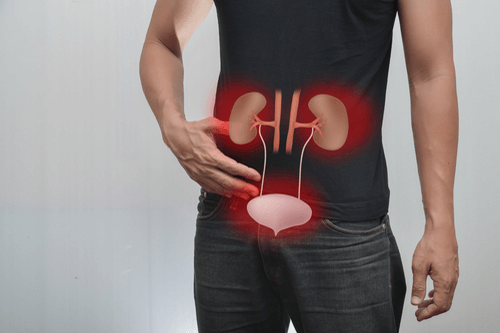
Medications cause side effects apart from the intended results. Disodium hydrogen citrate causes side effects, but they do not occur in everybody. They depend on the duration of use, the dosage and individual reaction to the medication. The side effects can occur at the beginning of the treatment but go away on their own. The side effects can be common and less serious while others can be rare and very serious. Inform your doctor of any side effects you experience to get medical advice on how to cope with them and for medical attention for those that are serious. The following are the less serious and common side effects of disodium hydrogen citrate:
- Stomach ache
- Nausea
- Vomiting
- Weakness
- Gastrointestinal discomfort
- Bloating
- A headache
Rare and serious side effects include:
- Diarrhea that is severe and ongoing
- Irritable
- Nervous
- Stomach ulceration
- Mood swings
- Seizures
- Slow or fast heartbeat
- Confusion
- Increased urination
- Reduced blood levels of potassium
- Metabolic alkalosis
- Dizziness
- Shallow and rapid breathing
- Bloody stool
- Muscle twitching or pain
- Cramps or leg pain
- Peripheral edema
- Numbness or tingling in the hands and legs
- Irregular heartbeat
Nausea, vomiting, diarrhea, and pain in the stomach can be reduced by taking the medication after a meal, taking a lot of water and taking the drug with juice or plenty of water.
In case you have an allergic reaction to disodium hydrogen citrate, stop taking the medication and inform your doctor or seek medical attention urgently. Symptoms of an allergic reaction include difficulty breathing, severe dizziness, swelling of throat, lips, face and tongue and hives.
If you accidentally take an overdose of disodium hydrogen citrate, inform your doctor or rush into the emergency center of the nearest hospital carrying the medication package with you. Taking an overdose can result in adverse reactions that can be fatal. An overdose can cause loss of consciousness, muscle spasms, seizures, and metabolic alkalosis.
Drug Interactions
When you take more than one medication at the same time, it can result in the drugs interacting. Drug interactions can change the way your medication is working making it less effective or affects the working of the other medications you are taking. Drug interactions can also cause accumulation of drugs in the body that can cause adverse reactions to occur. Inform your doctor of all medications you are using or have been using both over the counter medications and prescription drugs, dietary supplements and herbal products. The following drugs and products interact with disodium hydrogen citrate:
- Tetracycline, when used together increases their renal excretion.
- Amphetamine
- Quinidine
- Ephedrine
- Antacids containing aluminum and sodium, and baking powder (sodium bicarbonate) when used can cause a severe imbalance of electrolyte in the body or toxicity due to aluminum.
- Lithium
- Methenamine
- Allergy medications and cold medications or decongestants
- Diet Pills
- ADHD medications
- Mineral and vitamin supplements containing calcium
- Medications that contain calcium
- Salicylates like aspirin effects are lowered as their excretion is enhanced given that they are acidic drugs
- Corticosteroids, it causes retention of sodium
- Alcohol
- Barbiturates, their excretion is enhanced when used together with disodium hydrogen citrate
- Diuretics that deplete potassium, when used concurrently can cause hypochloraemia alkalosis
What to Do If You Skip a Dose?
If you skip a dose, take it as soon as you realize it. If it is time close to your next treatment, you can skip the dose and take your next dose then continue with the normal drug schedule. However, do not double the dose to compensate for the skipped dose as it will be an overdose that can result in adverse effects. Frequent missing does make your medication less effective in treating your condition. To avoid frequent dose missing set the alarm to remind you or have a family member remind you when it is time for your next dose.
Precautions
A number of precautions should be considered before you use and when using disodium hydrogen citrate. The precautions include:
- Hypersensitive reactions: Do not use disodium hydrogen citrate if you are allergic to the active ingredient.
- Inform your doctor of all medications and products you are using to avoid drug interactions that may be fatal.
- Notify your doctor of all medical conditions you have or have had before to prevent them worsening or adverse reactions from occurring.
- Pregnant or planning to be pregnant and lactating mothers should use disodium hydrogen citrate with cautions as there is no conclusive evidence of its effects on the growing fetus and nursing baby.
- Renal impairment. If you have kidney disease, disodium hydrogen citrate should be used with caution. In very severe cases, the dose should be adjusted.
- If you experience dizziness and drowsiness while using disodium hydrogen citrate, then you are advised not to engage in activities that require mental alertness such as driving and operation of heavy machinery.
- Disodium hydrogen citrate should be taken after a meal with plenty of water to avoid stomach upset.
- Avoid foods that contain a lot of salt and the use of extra table salt while using disodium hydrogen citrate as it already contains sodium.
- While taking disodium hydrogen citrate, you should carry out frequent urine and blood test to ensure that the medication is working.
- Disodium hydrogen citrate should be stored in a closed container, at room temperature away from moisture, sunlight, children and pets.
- Do not increase or lower the dosage prescribed by your doctor. Taking large doses of disodium hydrogen citrate can affect the working of your kidney.
- Avoid or reduce alcohol consumption while sing disodium hydrogen citrate, as alcohol, might lower its effects.
- The syrup form of disodium hydrogen citrate contains sugar in it, thus use it with caution if you have diabetes.
- The bottle of disodium hydrogen citrate should be well shook before measuring the dose using a measuring cup and not a tablespoon.
- Do not take disodium hydrogen citrate that is expired. Its potency may have reduced making it less effective in treating your condition. Always check the medication package while purchasing the drug.
Different Brands and Manufacturing Companies of the Drug
Disodium hydrogen citrate is manufactured mainly as a syrup or a suspension. It is manufactured by different pharmaceutical companies and sold under different brand names. The different brands can be used as alternatives and substitutes. The different brand includes:
- Cital – 1.37 mg/5 ml – Indoco Remedies Ltd
- Siocitrate – 1.375g/5 ml – Albert David Limited
- Oricitral – 1.38g/5 ml – TTK Healthcare Ltd
- Alkaryl – 1.4 g/5 ml – Cadila Pharmaceuticals Ltd
- Alkasol – 1.4 g/5 ml – Stadmed Private Limited
- Citralka – 1.53 g/5 ml – Parke – Davis (India) Ltd
- Biocetral – 1.53 gm – Bioguard Organics
- Citra Sip Syrup – 1.20 gm – Kwality Pharmaceuticals (P) Ltd
- Alkanil –Inga Pharmaceuticals Pvt Ltd
- Alkarate – 1.37 g/5 ml – Macleods Pharmaceuticals Ltd(Pharma)
- Citralka – 1.53 g/5 ml – Pfizer Limited
- Systal – 1.38 g/ 5ml – Commonwealth Laboratories (India) Pvt Ltd.
- References
Want to live a healthy lifestyle?
Subscribe to free FactDr newsletters.
REVAMP YOUR
LIFE
HEALTH
WELLNESS
If you’re enjoying our website, we promise you’ll absolutely love our new posts. Be the first one to get a copy!
Get factually correct, actionable tips delivered straight to your inbox once a week.
We hate spam too. We will never share your email address with anyone. If you change your mind later, you can unsubscribe with just one click

By clicking Subscribe, I agree to the FactDr Terms &
Conditions & Privacy Policy and understand that I may opt out of FactDr
subscriptions at any time.
Trending Topics

EKG – Electrocardiogram An electrocardiogram, abbreviated as an ECG or an EKG, measures the electrical activity in the…

Rubella IgG Test The rubella IgG test is a blood test that checks for the rubella virus IgG…

Thyroglobulin (TG) Test Thyroglobulin test helps in measuring and monitoring the concentration of thyroglobulin. This test can be…

Ferritin Test Ferritin test is a blood test that provides vital information on the level of RBCs…

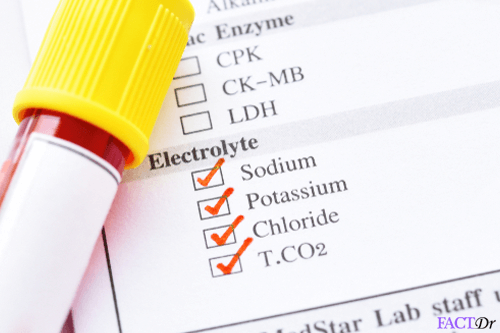
Serum Electrolyte If there is an electrolyte imbalance in the body, a serum electrolyte test will help…


Pulmonary Function Tests Pulmonary function tests (PFT’s) are non-invasive breathing tests employed for diagnosing and monitoring lung diseases…
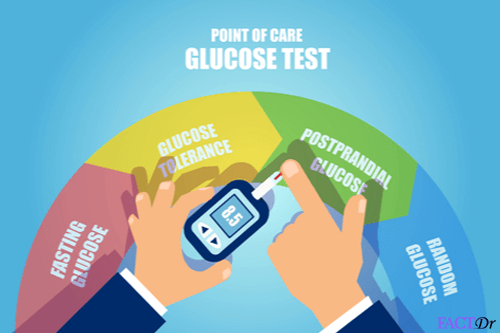
Post-Prandial Blood Sugar Postprandial blood sugar test is an important diabetes diagnosing tool. This simple blood test measure…


HLA-B27 test The HLA-B27 is a blood test that is used to determine the level of a…
Abdominal CT scan Abdominal CT scan is a diagnostic imaging technique that provides a clear picture of the…

Hepatitis Profile A hepatitis profile or a hepatitis panel is a blood test that checks for markers…


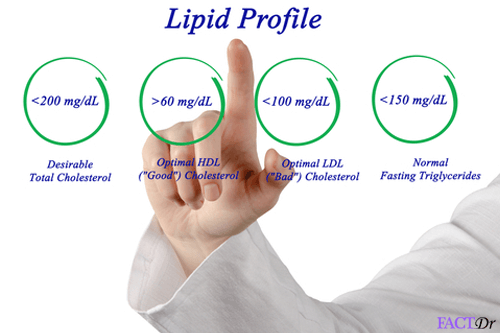
Lipid Profile Lipid profile is a blood test that provides complete information on how much cholesterol is…




Immunoglobulin M Test Immunoglobulin M is the largest and the first produced antibody which helps in the prevention…

Rheumatoid Factor (RF) Rheumatoid factor or RF is a blood test used to diagnose painful joint conditions such…

Copper Serum Test Copper serum test checks for abnormal levels of copper in the body. Both high and…


Serum Zinc Test The serum zinc test is a blood test performed to assess the zinc level in…

Dengue NS1 test Dengue NS1 is a blood test used to determine the onset of dengue fever. Dengue…

Erythropoietin (EPO) Test Erythropoietin stimulates the production of RBCs in bone marrow. An erythropoietin test is done to…





LP-PLA2 Test The LP-PLA2 test is a test which is carried out to assess the levels of…


Phimosis Read to know everything about phimosis, types, symptoms, treatment, risks and prognosis for patients with…

Free PSA Test The free PSA test is used to detect the level or percentage of free PSA…







Androstenedione Test Androstenedione is produced by the adrenal gland, the test of the levels of Androstenedione helps…

Lipoprotein (A) Test Lipoprotein (A) test is used to measure and monitor the levels of LDL(Low-Density Lipoprotein) in…
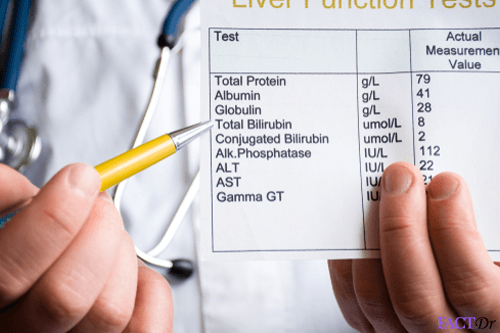
Bilirubin Test Bilirubin is a substance produced in the body as a result of red blood cell…
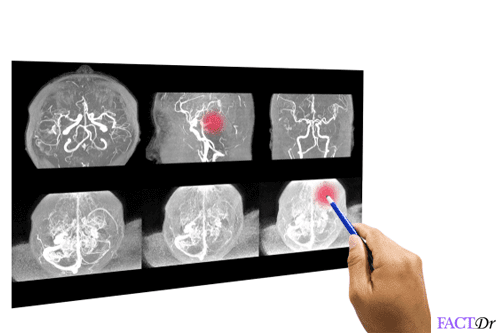
Angiography Angiography is a diagnostic tool used to determine the narrowing or blockage in the arteries…


Hysteroscopy Hysteroscopy is a minimally invasive tool to help specialists view the uterus to diagnose and…


Sputum test Sputum test is a commonly used diagnostic tool that is used to examine the presence…





Amylase Test Amylase test is done by checking the level of this protein in the blood sample…

Anemia Profile Anemia Profile test (Basic) is a blood screening test that measures the levels of important…


Phenytoin test Phenytoin is a drug that is administered mainly to epilepsy patients. The phenytoin blood test…

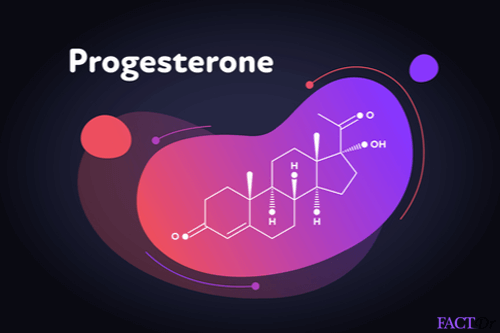
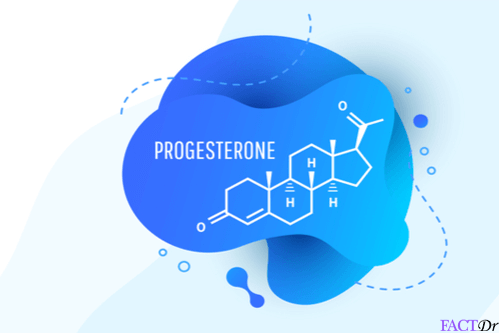
Progesterone test The progesterone test is a blood test used to determine the level of hormone progesterone…




Hymenoplasty Read on to find out all about hymenoplasty, the procedure, post-surgery care, the risks, and…


Prolactin Test (PRL) Prolactin or PRL is a lactogenic hormone produced to induce milk production in lactating mothers.…

Folate test The Folate test measures and monitors the levels of folic acid in the blood. This…



Leptospira-IgM Test A Leptospira-IgM test is a blood test which is carried out to detect anti-Leptospira IgM…


Cystoscopy Cystoscopy is intended to look at the abnormalities in the ureters, bladder, and urethra, to…





Blood Sodium Test A blood sodium test measures the amount of sodium (an important electrolyte) in your body.…

Tonometry Tonometry uses a device called tonometer to measure the pressure inside the eye. This pressure…

Cystoscopy Cystoscopy is a procedure to check the health of the urethra and the bladder. The…
Cystatin C Test Cystatin C is a specific single-chain protein that is found in body fluids and is…

Triple Marker Test A triple marker test is an important prenatal test that is performed to detect the…


Cardiac Profile Cardiac profile is panel of blood tests performed to check cholesterol level and other heart…

Circumcision Check to know everything about open , laser, stapler circumcision, and about preparation, procedure, risks,…


Endoscopy Endoscopy is a procedure where an illuminated probe with a camera attached to it is…








Vitamin Profile Your doctor will recommend you undergo the vitamin profile test if you are showing signs…





Kidney stones Kidney stones are solid substances made up of crystals. They can be of various sizes.…


Ureteroscopy Ureteroscopy is the diagnostic procedure which is used for the detection of the kidney stones…

Rubella IgM Test The Rubella IgM test is a blood test that is performed to diagnose the presence…





Homocysteine Test The homocysteine test is a blood test that is used to diagnose vitamin B12 deficiency…




Lipase Test A lipase test is a blood test performed to quantitatively measure the level of the…


Thyroid Scan Thyroid scan is a diagnostic procedure that aims to view the thyroid gland and detect…


Coagulation Tests Check the most important coagulation tests, its types, procedure, and results to know your risk…




Myelography Myelography is an important diagnostic tool that is used to investigate and identify abnormalities in…
CA19.9 Test CA 19.9 is a cancer antigen that exists on the surface of cancer-causing cells. The…

VDRL Test The VDRL test is a blood test that is used to diagnose sexually transmitted or…
C-Peptide test C-peptide is a blood or urine test which is used to monitor and assess the…


Breast Augmentation Breast augmentation is a surgical procedure done to alter the shape and size of the…
Albumin Test Albumin test or blood serum test is a liver function test that measures the amount…

Arthritis Profile Arthritis profile is a panel of primarily blood tests used to detect the presence of…
Anoscopy Anoscopy is an invasive diagnostic procedure where a small device known as anoscope will be…

Hypertension Profile Hypertension profile is a panel of blood tests done to analyse the cause of hypertension…








Barium Enema Barium enema is also known as colon x-ray. Here, the patient is asked to consume…







Pelvic Ultrasound Pelvic ultrasound is a process where sound waves are used to create image of your…

Malaria Antigen Test A malaria antigen test is a rapid diagnostic test (RDT) that can detect malarial antigens…




Disodium Hydrogen Citrate Medication Information
Discover comprehensive details about Disodium Hydrogen Citrate, including its pronunciation, uses, dosage instructions, indications, and guidelines on how and when to take it or avoid it.
The updated prescription information covers potential side effects, precautions, warnings, and storage recommendations.
Additionally, explore the Disodium Hydrogen Citrate brands available in India and internationally, along with pricing information. For personalized advice, consult your healthcare provider.
Generic Name : Disodium Hydrogen Citrate
Pronunciation : Di-SOE-dee-um- Hy-Dro-gen-SIT-rate
Therapeutic Classification :
Miscellaneous
Brand Names or Trade Names of Disodium Hydrogen Citrate
India :
Overview of Disodium Hydrogen Citrate
• Disodium hydrogen citrate is a urinary alkalinizer used for the treatment of renal tubular acidosis, to prevent uric acid and cysteine stones, and in the treatment of urinary tract infections.
Why is Disodium Hydrogen Citrate Prescribed? (Indications)
Disodium hydrogen citrate is a urinary alkalanizer.
It is used for the following conditions:
• Renal tubular acidosis (a condition where the blood is acidic due to a kidney problem)
• To prevent uric acid and cysteine stones in people predisposed to form the stones in the urinary tract
• To treat uterine tract infection, though evidence for the same has not been established
When should Disodium Hydrogen Citrate not be taken? (Contraindications)
Disodium hydrogen citrate should not be used in the following conditions:
• Allergy to the drug
• High blood pressure (since it contains sodium)
• Fluid accumulation in the body (called edema)
• Metabolic derangements like high osmolality or increased alkalinity of the blood, low blood calcium levels
• Kidney dysfunction
What is the dosage of Disodium Hydrogen Citrate?
• The usual dosage of the syrup in adults is 15 to 30 ml two to three times a day.
How should Disodium Hydrogen Citrate be taken?
• Take after a meal on a full stomach.
What are the warnings and precautions for Disodium Hydrogen Citrate?
• Drink plenty of water while on the medication.
• Inform your doctor if you are pregnant or breastfeeding before taking the medication.
What are the side effects of Disodium Hydrogen Citrate?
Digestive tract: Diarrhea, stomach pain, nausea, vomiting, bleeding from the stomach or intestines
Blood: Low blood potassium levels, metabolic alkalosis (increased alkalinity of the blood)
Others: Increased urination, tiredness
What are the other precautions for Disodium Hydrogen Citrate?
• The liquid forms of the drug contains sugar, it is advised to use with caution in diabetes patients
What are the Drug Interactions of Disodium Hydrogen Citrate?
• Since disodium hydrogen citrate makes the urine alkaline, it may increase the elimination of acidic drugs like salicylates and barbiturates through the urine, thus reducing their effects
• It may increase the blood sodium levels especially when taken with drugs like corticosteroids.
• Use with caution with diuretics like furosemide since it can cause metabolic disturbances.
What are the storage conditions for Disodium Hydrogen Citrate?
• It should be used stored at room temperature, keep it out of the reach of children
Product Details
How does Disodium Hydrogen Citrate Syrup work?
- Disodium Hydrogen Citrate works by making the urine more alkaline by neutralizing excess acid in the blood and urine.
- Acidic urine is more prone to the growth of bacteria and thus urinary tract infections. By alkalizing urine, the growth of bacteria is inhibited and thus chances of UTI are reduced.
How to Take Disodium Hydrogen Citrate Syrup?
- The dosage and duration of this medication should be taken as advised by the doctor. The dosage is based on your age, medical condition, and response to therapy.
- Avoid taking disodium hydrogen citrate empty stomach.
- Disodium Hydrogen Citrate should be taken along with plenty of fluids (water/juice etc) to prevent stomach upset.
- In order to measure the prescribed dose, a medication measuring cup and not a household spoon should be used.
- Shake the bottle well before each use.
- If it is taken as over the counter product, check the label for directions before use.
Common Dosage for Disodium Hydrogen Citrate
- Dosage is usually based on your condition as advised by the doctor. For best results, it should be taken at evenly spaced intervals.
- Most recommended dose :
- Adults – 15-30ml dissolved in water twice or thrice daily.
- Children – 5ml dissolved in water twice or thrice daily.
- Use with caution in infants and pregnant females.
- Patients with pre-existing kidney disease and those suffering from dehydration should avoid using this syrup.
- Never use more than the recommended dose or for longer periods of time without doctor’s consent.
- In case of non improvement of symptoms or symptoms getting worse, seek medical attention immediately.
Also Read: Drotin Ds Dosage | Dexamethasone Uses | Diclofenac Sodium Dosage
Precautions- When to Avoid Disodium Hydrogen Citrate
Disodium Hydrogen Citrate Syrup should not be used in:
- Allergy to any of its components
- Patients with moderate to severe renal dysfunction (kidney disease)
- Dehydrated patients
- Patients with severe bacterial infection
- Patients with high potassium levels
- Patients with a heart problem (irregular heartbeat, heart failure)
- Pregnant
Side Effects of Disodium Hydrogen Citrate Syrup
Majority of the patients do not show any side effects. However, few patients may show side effects with Disodium Hydrogen Citrate Syrup like:
- Flatulence
- Stomach cramps
- Diarrhoea
- Anxiety
- Excessive production of urine
- Gastrointestinal ulceration
- Mood swings
- Feeling of tiredness
- In addition, it may cause some other allergic or unwanted effects. In such cases, seek medical attention immediately.
What Are the Effects of Disodium Hydrogen Citrate on Organs?
Kidney – Disodium Hydrogen Citrate may be used cautiously in patients with kidney disease. In severe cases, dose adjustment may also be needed. Consult your doctors if any unwanted symptoms are observed.
Are There Any Reported Allergic Reactions?
Report to your doctor if you are allergic to any of its ingredients. Signs of allergic reaction include:
- Rashes
- itching of skin
- Shortness of breath
- Swelling of face, lips, tongue, or throat
- Loss of consciousness
Drug Interactions to Be Careful About
All the possible drug interactions might not be listed here. You must always inform the physician of all the drugs/products you use. You must inform your doctor if you frequently use other drugs that make you drowsy or sleepy, such as sleeping pills, other allergy drugs, narcotic pain medicine, muscle relaxants, and drugs used for fits, depression, or anti-anxiety drugs. You must also inform about the herbal products that you are consuming. You must not modify the drug regimen without your doctor’s approval.
Disodium Hydrogen Citrate Syrup may interact with the following drugs and products:
- Alcohol
- Tetracycline
- Barbiturates
- Corticosteroids
- Methotrexate
- Potassium depleting diuretics
- Amphetamines
- Salicylates
Shows Effects / Results In
- Disodium Hydrogen Citrate Syrup starts acting within a few minutes and the effect lasts for 4-6 hours.
- A complete dose prescribed by your doctor must be taken for the complete cessation of symptoms from your body.
Storage Requirements for Disodium Hydrogen Citrate
- Storage at room temperature away from direct light and heat unless mentioned in the package insert.
- Do not freeze the medicine.
- Keep medicinesaway from children and pets.
Pro Tips When Taking Disodium Hydrogen Citrate
Disodium Hydrogen Citrate is unsafe to use in patients with severe kidney disease and should be avoided or the dose should be altered as advised.
Also read about other medicine’s: Dexorange | Deriphylline
FAQs
Is Disodium Hydrogen Citrate Syrup addictive?
No. However, self medication and dependence on these medicines should be avoided.
Can I have Disodium Hydrogen Citrate with alcohol?
- Interaction with alcohol is unknown.
- However, it may cause excessive drowsiness and calmness in few patients so alcohol should be consumed with caution along with Disodium Hydrogen Citrate.
Any particular food item to be avoided?
No.
Can I have Disodium Hydrogen Citrate when pregnant?
- Disodium Hydrogen Citrate Syrup can be administered during pregnancy if advised by your doctor.
- Always inform and consult your doctor if you are pregnant or plan to become pregnant for case specific recommendations.
Can I have Disodium Hydrogen Citrate when feeding a baby?
- There is no evidence as to whether Disodium Hydrogen Citrate Syrup use has any side effect on lactating mother or baby.
- Always inform your doctor if you are breast-feeding your child and use the medicine as advised.
Can I drive after taking Disodium Hydrogen Citrate?
If one experiences side effects like drowsiness, headache, dizziness or decrease in blood pressure, then it may not be advisable to drive a vehicle and operate heavy machinery while on this medication.
What happens if I overdose on Disodium Hydrogen Citrate Syrup?
- It should not be administered in more than prescribed dose. Taking more medication or with increased frequency will not improve your symptoms earlier; rather it may cause serious side-effects.
- If anyone is suspected of an overdosage, seek medical care immediately.
What happens if I take expired Disodium Hydrogen Citrate?
- Taking a single dose may not cause any major adverse effect. However, the potency of the medicine may well have been reduced.
- Please inform your physician regarding the same if expired medicines have been taken chronically for a longer duration.
- To be on the safer side, always check and never use an expired drug.
What happens if I miss a dose of Disodium Hydrogen Citrate?
- The medicine may not work well if you miss a dose because for effective working of the drug, a certain amount of drug must be present in your body at all times.
- Always consume the missed dose as soon as you remember it. But, if it’s already time to take the second dose after that – do not take a double dose.
- Disodium Hydrogen Citrate should always be taken following meals and with plenty of oral fluids or else chances of gastric side effects increases.
- Patients on long term Disodium Hydrogen Citrate should be regularly monitored for electrolytes especially sodium and potassium.
Цены
Характеристики
Описание
10 причин купить у нас
Задать вопрос
Артикул
Фасовка
Упаковка
Наличие
Цена (включая НДС 20%)
Количество (шт)
J011-112-5g
5г.
Банка ПЭ
На складе
96,00 руб.
Цена за 1 кг: 19 200,00 руб.
Купить
J011-112-10g
10г.
Банка ПЭ
На складе
114,00 руб.
Цена за 1 кг: 11 400,00 руб.
Купить
J011-112-25g
25г.
Банка ПЭ
На складе
156,00 руб.
Цена за 1 кг: 6 240,00 руб.
Купить
J011-112-50g
50г.
Банка ПЭ
На складе
252,00 руб.
Цена за 1 кг: 5 040,00 руб.
Купить
J011-112-100g
100г.
Банка ПЭ
На складе
396,00 руб.
Цена за 1 кг: 3 960,00 руб.
Купить
J011-112-250g
250г.
Банка ПЭ
На складе
906,00 руб.
Цена за 1 кг: 3 624,00 руб.
Купить
J011-112-500g
500г.
Банка ПЭ
На складе
1 644,00 руб.
Цена за 1 кг: 3 288,00 руб.
Купить
J011-112-1kg
1000г.
Банка ПЭ
На складе
3 000,00 руб.
Цена за 1 кг: 3000.00 руб.
Купить
J011-522-2kg
2000г.
Ведро ПП
На складе
5 880,00 руб.
Цена за 1 кг: 2 940 000,00 руб.
Купить
J011 | Натрий лимоннокислый 2-замещенный 1,5-водный
Cодержание основного вещества (%)
Не менее 99,00
Соответствие квалификации
—
Синоним на русском
Натрия цитрат 2-замещенный 1,5-водный
Наименование на английском
Sodium citrate dibasic sesquihydrate
Синоним на английском
di-Sodium Hydrogen Citrate 1 1/2-hydrate
Disodium hydrogen citrate sesquihydrate
Citric acid disodium salt
Sodium Citrate Dibasic
Агрегатное состояние/Внешний вид
Белый кристаллический порошок
Технические характеристики
Содержание основного вещества (ацидиметрически, в пересчете на сухое вещество), % 99,0-104,00
рН (3% раствора) 4,6-5,2
Температура плавления, ⁰С 148-150
Хлориды (Cl), %, не более 0,033
Мышьяк (As), %, не более 0,0002
Оксалаты (C₂H₂O₄), %, не более 0,0015
Сульфаты (SO₄), %, не более 0,12
Тяжелые металлы (Pb), %, не более 0,02
Растворимость в воде (при 20 ⁰С) 263,1 г/л
J011 | Натрий лимоннокислый 2-замещенный 1,5-водный
Высокое качество товара
100% клиентов довольны качеством
100% товара поставляем напрямую с заводов-изготовителей
Не поставляем «неликвиды»Высококачественная упаковка
Фасуем в тару высокого качества Цветные химически стойкие этикетки Выгодные цены
Самые низкие цены на рынке! Нашли дешевле? Сделаем скидку! Широкий ассортимент в наличии
98% товара из ассортимента в наличии на складе Разнообразные фасовки
Фасуем по 5/10/25/50/100/250/500/1000/2000/5000 грамм Без ограничений на минимальную сумму заказа
Покупайте столько, сколько вам нужно! Доставка до транспортной компании – за наш счет
Отправим любой удобной для вас транспортной компанией
Груз до терминала транспортной компании в Уфе доставим бесплатноБесплатная доставка в ваш город (до терминала ТК)
Заказы от 35 тысяч доставим в ваш город бесплатно, до терминала транспортной компании Быстрая отгрузка
В течение 3-5 рабочих дней
99% заказов отгружаем вовремяВысококлассные специалисты
Проконсультируем по любым вопросам и поможем с выбором
Возникли вопросы? Заполните форму и мы ответим Вам в ближайшее время!
Ваше имя*
Телефон*
E-mail*
Сообщение
Отправить